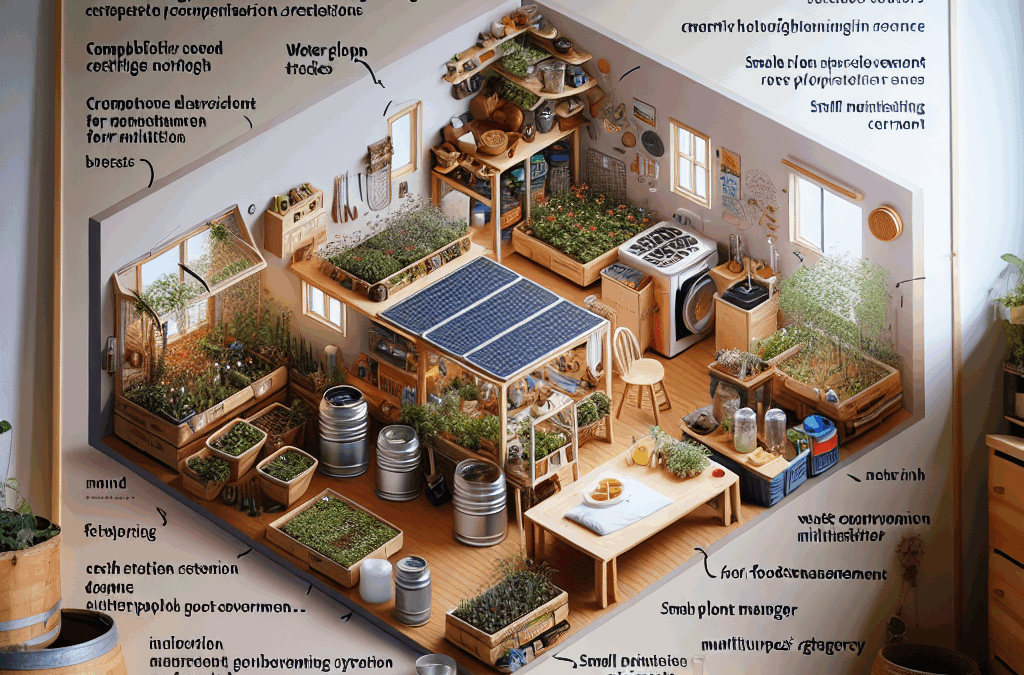
- 1. Maximize Vertical Gardening
- 2. Use Container Gardening Effectively
- 3. Implement Small-Scale Livestock Solutions
- 4. Adopt Permaculture Principles
- 5. Incorporate Companion Planting
- 6. Opt for Multi-Functional Tools and Furniture
- 7. Make Use of Efficient Water Management
- 8. Leverage Technology for Small Space Homesteading
- 9. Create a Sustainable Energy Setup
- 10. Plan for Year-Round Homesteading Activities
1. Maximize Vertical Gardening
Vertical Space as Your Best Ally
When homesteading in small spaces, vertical gardening is a game-changer. Instead of spreading plants out on the ground, you use wall-mounted planters, tiered shelves, or hanging baskets to grow vegetables, herbs, and flowers. This strategy significantly increases your planting area without taking up precious horizontal space.
In 2025, innovative vertical gardening systems, such as modular wall planters and hydroponic setups, are more accessible and easy to install. These solutions enable even small patios or balconies to support diverse plant life, boosting productivity and aesthetics.
For example, urban gardeners have successfully grown strawberries, lettuce, and basil vertically, maximizing small balcony spaces. By stacking plants using space-efficient methods, you can produce fresh herbs and vegetables year-round.
Advantages of Vertical Gardening
Vertical gardens conserve space while providing better airflow and sun exposure for your plants. They also make maintenance easier, reducing the need to bend or kneel. Additionally, they can improve your homesteading landscape’s visual appeal, creating a lush green wall that hides ugly walls or fences.
Choosing the right materials, like treated wood or durable plastics, ensures your vertical gardens last through the seasons. Vertical gardening is ideal for small-scale homesteading to make the most of every inch of available space.
2. Use Container Gardening Effectively
Choosing the Right Containers
Container gardening is an essential component of homesteading in small spaces. Selecting the proper containers allows you to grow a variety of crops in limited areas. Look for containers with adequate drainage holes and appropriate size for the plant’s root system.
In 2025, self-watering containers and smart planters with integrated irrigation systems are popular choices for conserving water and reducing maintenance. These innovations make container gardening more sustainable and efficient, especially for busy homesteaders.
For best results, use containers made of sustainable materials like recycled plastics or wood composites. Grouping plants with similar water and light needs in containers simplifies garden management.
Strategic Placement of Containers
Position your containers where they receive optimal sunlightâtypically 6-8 hours daily for most vegetables. Place tall containers behind shorter ones to maximize sun exposure for all plants. Use movable carts or lightweight containers to rearrange plants based on seasonal sun paths or weather patterns.
Container gardens also allow you to control soil quality more precisely, which is especially beneficial in small homesteads with limited soil depth or contamination. Regularly refreshing potting soil maintains fertility and healthy plant growth.
3. Implement Small-Scale Livestock Solutions
Choosing Compact Animals
Livestock in small homesteads doesnât mean you canât reap the benefits of fresh eggs, milk, and manure. Opt for small-scale animals like chickens, rabbits, guinea pigs, or dwarf goats. These animals require less space and are easier to care for in limited environments.
For instance, Bantam chickens take up less space and can coexist comfortably in a backyard coop. Dwarf goats, such as Nigerian Dwarf goats, are manageable and produce nutritious milk in small quantities suitable for family consumption.
Make sure to research local regulations and ensure your small-scale livestock setup complies with zoning laws and humane standards.
Designing Efficient Livestock Housing
Constructing space-efficient coops and enclosures is crucial. Use vertical stacking for nesting boxes and lean-to designs to save space. Incorporate movable fencing to create flexible grazing or exercise areas.
Regular cleaning and proper ventilation are essential to keep small livestock healthy. Additionally, integrating manure composting systems can turn waste into valuable fertilizer, supporting your homesteading efforts sustainably.
4. Adopt Permaculture Principles
Designing with Nature in Mind
Permaculture offers a blueprint for creating resilient, productive small-space homesteads by mimicking natural ecosystems. Focus on diverse plantings, water conservation, and soil regeneration to maximize yield in limited areas.
Implementing permaculture principles in 2025 includes establishing keyhole gardens, swales, and mulching techniques that conserve water and improve soil fertility. These methods reduce the need for external inputs and increase space efficiency.
Assess your site to identify natural water flow and sun exposure, then design your layout to enhance productivity while minimizing labor and resource use.
Benefits for Small Homesteads
Permaculture fosters a self-sustaining environment, making homesteading in small spaces more manageable and less resource-dependent. Itâs a practical, cost-effective way to produce food and nurture ecological health.
Over time, these practices increase biodiversity, improve soil health, and create a resilient homestead, even in urban or suburban settings.
5. Incorporate Companion Planting
Maximizing Plant Interactions
Companion planting involves strategically pairing plants to benefit each other by repelling pests, improving growth, or enhancing flavor. This technique is especially useful when space is limited.
For example, planting basil near tomatoes can improve flavor and deter pests. Marigolds can repel beetles and nematodes when planted alongside root crops. These combinations maximize yield and health in small patches.
Designing your garden with companion planting in mind can reduce the need for chemical pest control and boost overall productivity for your small homestead.
Practical Tips for Effective Companion Planting
Plan your garden layout to incorporate proven companion pairs. Use small raised beds or containers to improve accessibility and management. Keep a planting calendar updated to optimize season-long benefits.
This approach not only conserves space but also makes your garden more resilient and eco-friendly.
6. Opt for Multi-Functional Tools and Furniture
Saving Space with Multi-Purpose Items
In small homesteads, every inch counts. Invest in tools and furniture that serve multiple functionsâsuch as foldable tables, storage benches, and convertible beds. These items free up space during the day and serve various needs.
For example, a compost bin that doubles as seating or a fold-away workbench can streamline your small homesteading routine while reducing clutter. Modern, lightweight tools also enhance adaptability and efficiency.
Choosing quality, space-saving items helps you maintain a tidy, productive homestead environment without sacrificing comfort or utility.

Organizing for Efficiency
Use vertical storage solutions, pegboards, and stackable bins to keep your small space organized. This approach minimizes clutter and makes it easier to access supplies when needed.
Consider modular furniture that you can rearrange or store away, allowing your small space to be flexible for different activities or seasons.
7. Make Use of Efficient Water Management
Rainwater Harvesting
Conserving water is vital for sustainable homesteading in small spaces. Installing rainwater collection systemsâlike barrels or underground tanksâcan supply your garden and livestock needs while reducing utility costs.
In 2025, smart harvesting systems with filters and automatic pumps have become more affordable and easy to maintain, making them ideal for small-scale homesteaders.
Proper water management not only conserves resources but also ensures your plants and animals receive clean, ample hydration, especially during dry seasons.
Drip Irrigation and Water-Efficient Systems
Implementing drip irrigation or soaker hoses minimizes water waste and increases efficiency. These systems deliver water directly to the plant roots, reducing evaporation and runoff.
Scheduling watering times early in the morning or late at night conserves water and promotes healthier plant growth, vital in small homestead settings where every drop matters.
8. Leverage Technology for Small Space Homesteading
Smart Gardening Devices
Emerging technologies such as soil moisture sensors, weather stations, and automated watering systems make homesteading in small spaces more manageable in 2025. These devices help you monitor conditions remotely and adjust watering or fertilizing accordingly.
Using apps and IoT (Internet of Things) solutions, you can optimize plant health and resource use, saving time and effort. For small-scale homesteaders, technology can be a game-changer for maintaining a productive environment with minimal physical labor.
Integrating these tools into your homestead promotes precision agriculture, which is increasingly vital as urban homesteading grows in popularity.
Smart Home and Energy Systems
Utilize solar-powered lights, automated climate control, and energy-efficient appliances to reduce your homesteadâs carbon footprint. With advancements in renewable energy, small homesteads can now operate more independently and sustainably.
Smart energy management also helps you keep your systems running smoothly, ensuring your homestead is environmentally friendly and cost-effective in 2025.
9. Create a Sustainable Energy Setup
Solar Power for Small Homesteads
In 2025, off-grid solar solutions are more affordable and scalable than ever, making them ideal for homesteading in small spaces. Solar panels can power lighting, small appliances, and even pumps for aquaponics or irrigation systems.
Investing in a small solar system reduces reliance on grid power and decreases energy costs over time. Proper placement and efficient panels maximize energy capture throughout the year.
Additionally, coupling solar with battery storage ensures a reliable energy supply during cloudy days or at night, making your homestead more resilient and eco-friendly.
Alternative Renewable Sources
Consider integrating wind turbines or micro-hydro systems if your location supports it. Combining multiple renewable sources can provide a consistent power supply tailored to your specific homestead needs.
Implementing sustainable energy solutions not only lowers your carbon footprint but also increases your independence in managing your homesteading activities.
10. Plan for Year-Round Homesteading Activities
Seasonal Planning and Crop Rotation
Effective planning ensures you can homestead successfully throughout all seasons, even in small spaces. Use crop rotation and succession planting to maximize yields and prevent soil depletion. In 2025, climate-smart gardening practices can help you adapt to changing weather patterns.
Install protective structures like cold frames and shade cloths to extend your growing season and protect your plants from harsh weather. This way, you ensure consistent food production regardless of seasonality.
Develop a detailed calendar for planting, harvesting, and preserving crops, making small-space homesteading a year-round venture.
Indoor Gardening and Preservation
When outdoor conditions arenât favorable, indoor gardening techniques, such as hydroponics or grow lights, enable continuous crop production indoors. Preserving excess harvest through canning, drying, or freezing ensures food security and reduces waste.
These strategies are vital in 2025, as more homesteaders seek self-sufficiency with minimal space while maintaining a sustainable lifestyle.
Frequently Asked Questions
Q1: What are the best crops for homesteading in small spaces in 2025?
Herbs like basil, parsley, and mint, compact vegetables such as lettuce, spinach, and radishes, and small fruiting plants like strawberries are excellent choices.
Q2: How can I efficiently water my small homestead?
Utilize rainwater harvesting, drip irrigation, and water-efficient containers to reduce waste and ensure plants receive adequate hydration.
Q3: Is homesteading in small spaces sustainable?
Yes, especially when using permaculture principles, renewable energy, and resource-efficient practices to create a resilient and eco-friendly homestead.
Q4: How do I start small-scale livestock in limited space?
Begin with small animals like chickens or rabbits, design compact enclosures, and follow local regulations and humane care practices.
Q5: What technology can I use for small space homesteading in 2025?
Smart sensors, automated watering systems, solar energy setups, and IoT devices help optimize production and resource management efficiently.
In closing, mastering homesteading in small spaces in 2025 is entirely achievable with strategic planning and innovative techniques. From vertical gardens and container setups to renewable energy and small livestock solutions, there are countless ways to maximize limited space. Embracing these 10 effective tips will help you create a productive, sustainable, and enjoyable homestead that suits your lifestyle and space constraints. Remember, small spaces can be just as rich in life and harvestâyour perfect homestead awaits!