- 1. Embrace Sustainable Food Production
- 2. Establish a Thriving Garden System
- 3. Foster Self-Sufficient Water Management
- 4. Maintain Livestock Responsibly
- 5. Develop Farm-Based Income Opportunities
- 6. Create a Family-Centered Homestead Routine
- 7. Prioritize Renewable Energy Sources
- 8. Practice Preservation and Food Storage
- 9. Engage the Next Generation in Homesteading Skills
- 10. Connect with a Homesteading Community
1. Embrace Sustainable Food Production
Building Soil Health and Composting
In 2025, the foundation of a successful homesteading family lifestyle hinges on sustainable food production. One key aspect is maintaining vibrant, healthy soil. Composting kitchen scraps and yard waste not only reduces landfill waste but also enriches your soil naturally. By investing in compost bins or tumbler systems, families can turn organic waste into nutrient-dense compost that boosts plant growth year-round.
Healthy soil leads to better crop yields and more resilient plants, which is essential for self-sufficiency. Consider crop rotation and cover cropping to prevent soil depletion and control pests naturally. These practices are popular in modern homesteading for their low cost and ecological benefits.
Research shows that sustainable farming practices can increase soil fertility by up to 30% over five years, paving the way for a productive homesteading family lifestyle in 2025. Plus, involving children in composting and soil care fosters environmental awareness and responsibility.
Growing a Diverse, Resilient Food Portfolio
Creating a diverse vegetable and fruit garden not only enhances nutrition but also minimizes pests and diseases. In 2025, many homesteaders are adopting permaculture principles that prioritize biodiversity and ecosystem balance. Growing heirloom varieties and companion planting are effective strategies to increase yields naturally and preserve genetic diversity.
Investing in season extension techniques like cold frames and hoop houses allows families to harvest fresh produce well into late fall and early winter. This means less reliance on store-bought food, lowering costs, and improving food security.
Practice planning your garden according to climate zones and local conditions for optimal results. These strategies ensure your homesteading family lifestyle remains resilient and sustainable through changing weather patterns in 2025.
2. Establish a Thriving Garden System
Designing Permaculture-Inspired Gardens
Permaculture offers a blueprint for creating productive, eco-friendly gardens that mimic natural ecosystems. For families embracing the homesteading family lifestyle, designing zones of productivity and relaxation helps maximize space and effort while minimizing maintenance. Incorporate trees, shrubs, and herbs alongside vegetables to encourage beneficial insects and natural pest control.
This approach fosters a harmonious environment, reducing the need for chemical interventions. In 2025, permaculture principles are increasingly adopted by homesteaders aiming to build sustainable, low-input systems that are easy to manage and highly productive.
Embedding pollinator-friendly plants like native flowers and herbs ensures a steady food supply for bees, butterflies, and other beneficial insects critical for crop pollination.
Implementing Practical Garden Layouts
Efficient garden layoutsâsuch as raised beds, lasagna gardening, and keyhole bedsâsave space and simplify harvesting. These methods are especially popular for small to medium-sized homesteads where maximizing productivity is essential for a thriving family lifestyle.
Plan for year-round harvesting by staggering plantings and using succession sowing techniques. This ensures continuous fresh produce and reduces food waste.
Incorporate easy access paths and water management systems within your garden design to promote sustainability and ease of maintenance. By doing so, your homesteading family lifestyle remains manageable and rewarding throughout 2025.
3. Foster Self-Sufficient Water Management
Rainwater Harvesting Systems
Rainwater harvesting is a cornerstone of a sustainable homesteading family lifestyle in 2025. Installing rain barrels or larger cisterns captures free, natural water for garden irrigation, livestock, and household use. This practice reduces reliance on municipal water systems and lowers utility bills.
Advancements in filtration and storage options make rainwater systems more accessible and reliable. Properly maintained, they can supply water throughout dry seasons, ensuring your homestead remains productive and resilient regardless of droughts or water restrictions.
Educating family members about water conservation and efficient usage encourages responsible water management habits, which are vital in future-focused homesteading.
Creating Self-Contained Water Systems
Besides rainwater collection, setting up ponds, swales, and gravity-fed irrigation reduces dependency on external water sources. These systems help manage water runoff, prevent erosion, and support ecosystem health.
In 2025, integrating graywater recycling for non-potable uses such as irrigation enhances water efficiency further. These sustainable practices embody the essence of a thriving homesteading family lifestyle, focusing on resilience and eco-friendliness.
Implementing simple water monitoring tools ensures optimal consumption, saving both resources and money for families committed to self-sufficiency.
4. Maintain Livestock Responsibly
Choosing the Right Animals for Your Homestead
In 2025, a balanced approach to livestock is crucial for a thriving homesteading family lifestyle. Select animals suited to your climate, space, and family skills. Chickens, goats, and bees are popular choices, providing eggs, milk, and honey with manageable care requirements.
Research and planning are vital to ensure humane treatment and health management. Diversifying livestock benefits your homestead by providing multiple food sources and natural fertilizer for gardens.
Invest in quality shelter and regular health checks to sustain your animals’ wellbeing and productivity, which directly impacts your family’s self-sufficiency goals.
Rotational Grazing and Sustainable Livestock Practices
Rotational grazing prevents overgrazing, maintains healthy pastures, and reduces parasite buildup. This method aligns perfectly with a homesteading family lifestyle focused on sustainability and animal welfare.
Integrating manure management practices, composting, and pasture rotation helps self-contained nutrient cycles and improves the soil quality on your property.
In 2025, innovative technology such as low-stress animal handling tools and health monitoring apps simplifies livestock management, making it easier for families to uphold responsible practices.
5. Develop Farm-Based Income Opportunities
Marketing and Selling Your Homestead Products
A thriving homesteading family lifestyle in 2025 includes generating income from farm products. Starting a local farm stand, selling at farmers’ markets, or offering CSA subscriptions can provide steady income streams.
Branding and storytelling about your sustainable practices resonate with consumers seeking authentic, local food. Sharing your journey through social media can boost visibility and sales.
Explore niche markets such as organic vegetables, free-range eggs, or handcrafted goods like jams and soaps. Diversification helps stabilize income and minimizes risks.
Adding Value with Processing and Crafting
Processing your homegrown produce into jams, pickles, dried herbs, or fermented foods adds value and extends shelf life. This is especially profitable for small homesteads in 2025, as demand for artisan and homemade products continues to grow.
Crafting handmade goods such as woven products or natural skincare taps into local artisan markets. These activities strengthen the homesteading family lifestyle and foster entrepreneurial skills among family members.
Investing in small-scale equipment and marketing strategies makes it easier to turn homestead products into a sustainable income source.
6. Create a Family-Centered Homestead Routine
Designing Age-Appropriate Tasks
In 2025, a successful homesteading family lifestyle depends on engaging everyone, from children to grandparents. Assign age-appropriate chores that teach responsibility and skills, such as planting seeds, feeding animals, or harvesting crops.
Creating a routine ensures consistent care and reduces stress. It also fosters a sense of accomplishment and teamwork within the family unit.
Involving children in daily activities helps build a connection to nature and sustainability principles, fostering future stewards of the land.

Implementing Flexible Schedules
Flexibility is key to balancing homestead chores, family life, and personal time. Using tools like digital calendars and task lists keeps everyone organized and accountable.
Creating seasonal routines that align with planting, harvesting, and animal care cycles improves efficiency and prevents burnout.
In 2025, incorporating mindfulness and family bonding activities into the schedule promotes mental health and strengthens relationships while living the homesteading family lifestyle.
7. Prioritize Renewable Energy Sources
Installing Solar Power Systems
Renewable energy is a cornerstone of a resilient homesteading family lifestyle in 2025. Solar panels are increasingly affordable and efficient, allowing families to generate their own electricity and reduce reliance on the grid.
Solar energy can power homes, water pumps, and off-grid appliances. Investing in battery storage ensures energy availability even during cloudy days or at night.
Many homesteaders are combining solar with other renewable sources to achieve maximum independence and lower energy bills.
Exploring Alternative Energy Options
Wind turbines, micro-hydro systems, and biogas generators are viable options depending on your location. Combining these sources creates a diversified, sustainable energy portfolio that supports your homestead needs.
In 2025, advances in small-scale renewable tech have made these options more accessible and easy to maintain for homesteading families.
Implementing renewable energy aligns perfectly with the values of a homesteading family lifestyle centered on sustainability, sovereignty, and environmental stewardship.
8. Practice Preservation and Food Storage
Methods of Food Preservation
2025 sees a resurgence in traditional food preservation techniques like canning, drying, fermenting, and freezing. These methods allow your family to enjoy homegrown produce year-round and build resilience against supply disruptions.
Investing in quality jars, dehydrators, and vacuum sealers makes preservation more efficient and reliable. Learning proper techniques and safety standards is essential for making the most of your harvest.
Fermentation, in particular, offers probiotic benefits and adds variety to your pantry, enhancing your homesteading family lifestyle’s health benefits.
Creating an Efficient Food Storage System
Designing organized root cellars, pantry shelves, and cold storage areas optimizes space and accessibility. Proper storage prevents spoilage and minimizes waste, which is critical for food security in 2025.
Keep track of inventory with digital or manual logs to reduce over-purchasing and plan meals more effectively.
By mastering preservation and storage techniques, your homestead can support a thriving and sustainable family lifestyle regardless of external market conditions.
9. Engage the Next Generation in Homesteading Skills
Teaching Hands-On Skills
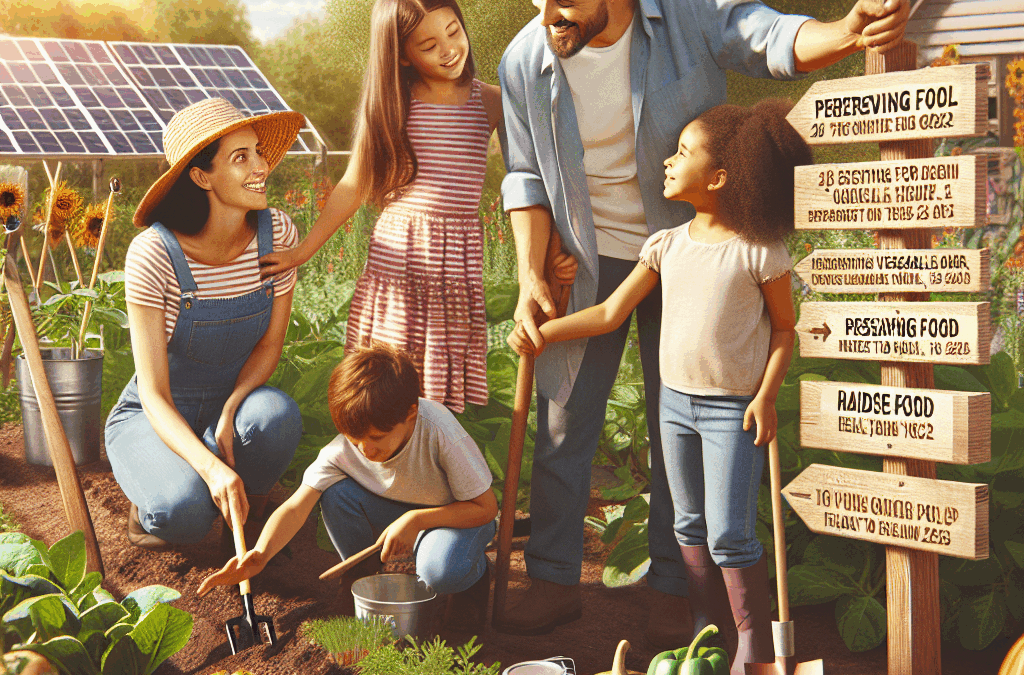
Passing down homesteading skills ensures the longevity of your familyâs lifestyle. Teach children how to plant, harvest, care for animals, and preserve food. Hands-on learning creates meaningful experiences and instills values of sustainability and hard work.
In 2025, many families integrate technology with traditional practicesâusing apps, online courses, and virtual mentorshipsâto enhance learning opportunities.
Encouraging curiosity and leadership among younger family members helps sustain your homestead for generations to come.
Creating Educational Activities and Projects
Designing projects like building chicken coops, compost bins, or solar dryers makes learning engaging and practical. Competitions, storytelling, and family events centered around homesteading foster unity and pride.
This intergenerational approach enriches the homesteading family lifestyle with shared knowledge, skills, and memories, ensuring its vitality in 2025 and beyond.
Supporting lifelong learning prepares your family to adapt to future challenges and opportunities in sustainable living.
10. Connect with a Homesteading Community
Building Local and Online Networks
Joining local homesteading groups, online forums, and social media communities expands your support system. Sharing resources, advice, and experiences accelerates learning and problem-solving.
Community events like farm tours, work parties, and skill-sharing workshops foster camaraderie and knowledge exchange, making homesteading more enjoyable and sustainable.
In 2025, digital platforms allow families to access expert advice, sell products, and collaborate on larger projects, strengthening your homesteading family lifestyle.
Collaborative Projects and Sharing Resources
Cooperative buying groups, seed exchanges, and community-supported agriculture (CSA) programs reduce costs and promote local sustainability. Collaborating on projects like shared equipment or bulk purchasing benefits everyone involved.
Building relationships within your homesteading network can also lead to mentorship opportunities and new ideas, helping your family thrive in 2025 and beyond.
Fostering a strong community spirit aligns perfectly with the goals of a thriving homesteading family lifestyle, emphasizing resilience, sustainability, and shared joy.
Conclusion
Adopting these 10 effective tips can profoundly enhance your homesteading family lifestyle in 2025. Whether itâs promoting sustainable food production, harnessing renewable energy, or building strong community ties, each practice contributes to a resilient, joyful, and fulfilling way of life. Embracing these strategies will position your family for success and happiness in the years ahead, ensuring your homestead flourishes now and into the future. Remember, living the homesteading family lifestyle is about sustainable choices, continuous learning, and shared experiences that create a legacy for generations to come.
Frequently Asked Questions
1. What exactly is a homesteading family lifestyle?
A homesteading family lifestyle involves living sustainably by growing food, raising animals, conserving resources, and being self-sufficient, often within a rural or semi-rural setting. It emphasizes connection to nature, responsible land stewardship, and community engagement.
2. How can I start transitioning to a homesteading family lifestyle in 2025?
Begin with small, manageable projects like vegetable gardening, composting, or raising a few chickens. Educate yourself through books, online courses, and local groups. Gradually expand as you gain experience, focusing on sustainability and family involvement.
3. What are some cost-effective ways to implement renewable energy on my homestead?
Start with affordable solar options like portable panels or DIY solar projects. Explore community solar programs or grants. Over time, consider adding wind turbines or biogas systems compatible with your land and budget.
4. How do I involve my children in the homesteading family lifestyle?
Assign age-appropriate chores, teach them about plants and animals, and include them in planning and decision-making. Hands-on activities foster responsibility, skills, and a love for sustainable living.
5. Why is community connection important for a thriving homesteading family lifestyle?
Community provides support, shared knowledge, and opportunities for collaboration. Connecting with others keeps you motivated, informed, and engaged, making your homesteading journey more resilient and enjoyable.