
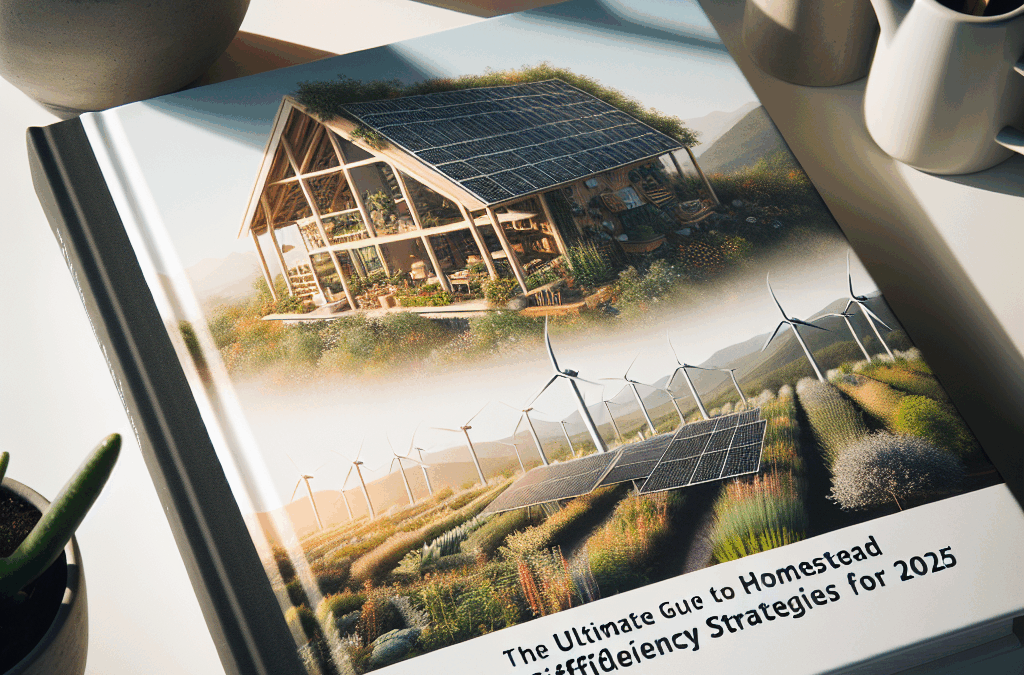
Table of Contents
- 1. Planning Your Homestead for Maximum Self Sufficiency
- 2. Starting Your Vegetable Garden for Year-Round Food
- 3. Raising Livestock Sustainably in 2025
- 4. Composting and Soil Enrichment Techniques
- 5. Water Management and Rainwater Harvesting
- 6. Preserving Food for Off-Season Use
- 7. Renewable Energy Solutions for Homesteads
- 8. Building DIY Structures and Shelters
- 9. Implementing Permaculture Principles
- 10. Community and Bartering for Homestead Support
1. Planning Your Homestead for Maximum Self Sufficiency
Understanding Your Land and Climate
Effective homestead self sufficiency starts with a thorough understanding of your landâs characteristics. In 2025, climate-resilient planning is crucial due to unpredictable weather patterns caused by climate change. Analyze your soil type, sun exposure, wind patterns, and water sources to optimize your layout.
For example, selecting crop varieties suited for your regionâs climate, such as drought-tolerant plants in arid areas, improves resilience. Tools like soil test kits and climate data maps are invaluable for this step. This preparation helps reduce resource waste and ensures consistent food production.
Knowing your land also involves zoning for different functionsâgarden, livestock, water collection, and energy systemsâmaking your homestead more efficient and self-reliant in 2025.
Designing a Sustainable Layout
Creating a well-thought-out layout maximizes space and minimizes energy use. Consider permaculture principles, such as stacking functionsâplanting beds near water sources, and positioning animals so they contribute to garden health.
I recommend integrating zones for easy access, renewable energy points, and compost areas. Modern homesteaders often use digital mapping tools to plan these zones, ensuring every square foot is productive and sustainable.
A smart layout reduces transportation time within your property, saves energy, and boosts overall homestead self sufficiency, helping you thrive in 2025 and beyond.
2. Starting Your Vegetable Garden for Year-Round Food
Selecting the Right Crops for 2025
Choosing climate-appropriate and nutrient-dense crops is vital for a sustainable homestead self sufficiency plan. Leafy greens, root vegetables, and hardy legumes are excellent choices for continuous harvests. In 2025, focusing on heirloom and non-GMO varieties supports biodiversity and resilience.
Implement crop rotation and companion planting to enrich soil naturally and reduce pest issues. For example, planting beans with corn can provide natural nitrogen fixation, enhancing soil fertility without chemical inputs.
Stay updated on emerging trends, such as drought-resistant varieties or vertical gardening techniques suitable for small spaces, to maximize food output in 2025.
Utilizing Innovative Gardening Techniques
Vertical gardens, hydroponics, and aquaponics are increasingly popular for homestead self sufficiency in 2025. These methods save space and water, making them ideal for urban or limited land homesteads.
Implementing these systems requires an initial learning curve but offers significant benefitsâproducing higher yields and reducing labor. For example, aquaponics combines fish farming and vegetable growing, creating a closed-loop system that conserves resources.

Moreover, using sustainable mulching and compost teas enhances soil health, leading to more vigorous and nutritious plantsâkey for homesteaders aiming for independence and resilience.
2025. Embracing Emerging Technologies for Homestead Self Sufficiency
Smart Home and Garden Automation
In 2025, automation technology plays a pivotal role in homestead self sufficiency. Smart irrigation systems, soil moisture sensors, and weather stations help optimize water use and crop health with minimal effort.
These systems can be managed remotely via smartphone apps, allowing you to respond swiftly to changing conditions. Automating watering schedules conserves waterâan essential resource of 2025.
Using data-driven insights, homesteaders can increase yields while reducing labor and resource waste, fostering a more sustainable and self-reliant lifestyle.
Frequently Asked Questions
1. What is homestead self sufficiency and how can I start?
Homestead self sufficiency involves producing most of your food, energy, and resources on your property. Starting requires careful planning, assessing your land, and choosing suitable crops and livestock. Begin small and expand steadily.
2. How do I improve soil health for a self-sufficient homestead?
Implementing composting, crop rotation, cover cropping, and natural amendments enriches your soil. Healthy soil is the foundation for a productive and sustainable homestead.
3. What are the best renewable energy options for 2025 homesteads?
Solar panels, small wind turbines, and micro-hydro systems are leading renewable energy solutions in 2025. They reduce dependence on grid power and lower energy costs.
4. How can I preserve food effectively in 2025?
Methods such as pressure canning, dehydration, fermentation, and freezing ensure food preservation year-round. Modern low-energy dehydrators are especially popular for efficiency.
5. Why is homestead self sufficiency important in 2025?
It promotes resilience against supply chain disruptions, supports environmental sustainability, and fosters personal independence amid changing global conditions.
Conclusion
Achieving homestead self sufficiency in 2025 is both an achievable goal and a vital step toward resilience and sustainability. By implementing strategic planning, innovative gardening, renewable energy, and preservation techniques, you can create a thriving homestead that sustains your family and supports your independence. Keep learning, adapting, and practicingâyour self-sufficient homestead is a rewarding journey worth every effort.
Remember, in 2025, embracing new technologies and sustainable practices for homestead self sufficiency will empower you to face the future with confidence and resilience.


