Table of Contents
- 1. Install Solar Energy Systems
- 2. Create a Permaculture Garden
- 3. Build a Homestead Pond
- 4. Develop a Composting System
- 5. Construct Livestock Shelters
- 6. Implement Rainwater Harvesting
- 7. Renovate for Energy Efficiency
- 8. Establish a Fruit Orchard
- 9. Create Educational Outdoor Spaces
- 10. Enhance Security and Perimeter Fencing
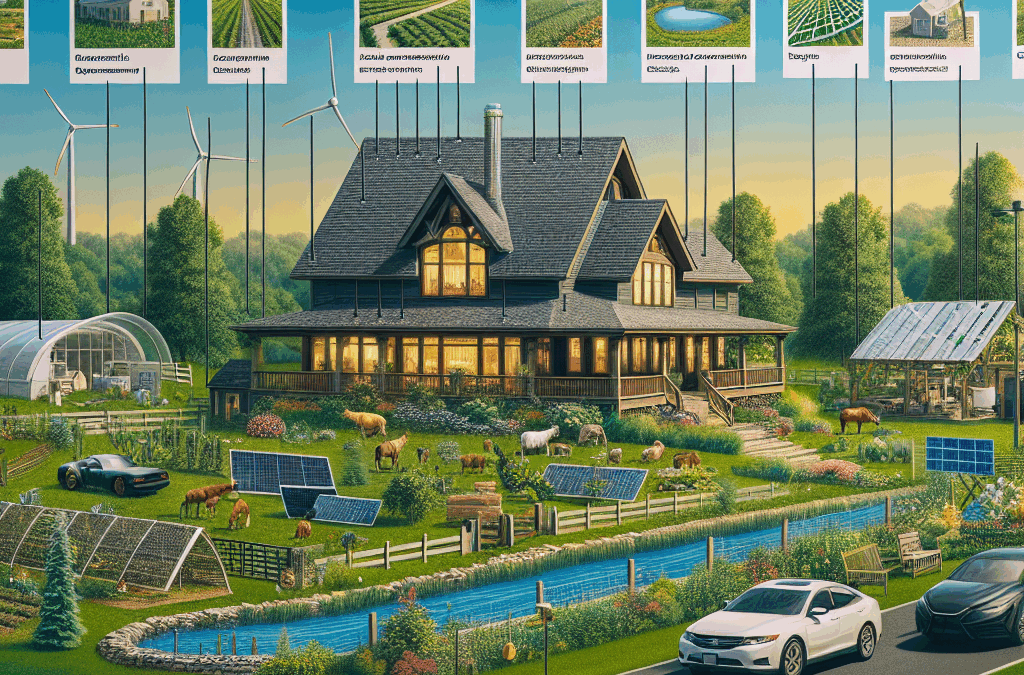
Embarking on homestead home projects in 2025 is an exciting way to enhance the functionality, sustainability, and beauty of your property. Whether you’re a seasoned homesteader or just beginning your journey, implementing these ideas can help you create a self-sufficient and thriving homestead. In this article, Iâll share ten practical and effective projects that you can undertake this year to transform your homestead into a more productive and eco-friendly space.
1. Install Solar Energy Systems
Harnessing Solar Power for Your Homestead
Solar energy remains one of the most popular and sustainable options for powering a homestead in 2025. Installing solar panels can significantly reduce your reliance on grid electricity, cutting costs and lowering your carbon footprint. With advances in solar technology, the efficiency and affordability of solar systems have improved dramatically, making them accessible for most homesteaders.
Start by assessing your propertyâs sunlight exposure and energy needs. A professional energy audit can help determine the optimal size of your system. Consider investing in battery storage options to ensure continuous power during cloudy days or at night, which is especially valuable for off-grid setups.
Practical Tips for Solar Installation
Research reputable solar providers and compare warranty and maintenance services. Many governments and local agencies offer incentives and rebates that can offset initial installation costs â be sure to explore these opportunities in 2025. Additionally, prioritize durable equipment that can withstand weather fluctuations and ensure your homestead remains sustainable well into the future.
2. Create a Permaculture Garden
Designing for Sustainability
Permaculture gardening is a transformative homestead home project that focuses on creating a resilient, self-sustaining ecosystem. By mimicking natural patterns, permaculture allows you to grow diverse crops, attract beneficial insects, and conserve water, all while reducing labor and inputs.
Begin by analyzing your landâs natural features, such as sunlight, wind, and water flow. Design your garden layout to maximize these elements, integrating features like mulched beds, companion planting, and food forests. Over time, your permaculture setup can produce abundant yields with minimal external resources, supporting your homesteadâs long-term sustainability.
Practical Steps to Implement Permaculture
Start small with a demonstration garden or key zones before expanding. Use natural composting methods, rainwater harvesting, and perennial crops to boost productivity. Education resources and permaculture design courses in 2025 can guide you through making the most impactful and sustainable choices for your homestead.
3. Build a Homestead Pond
Creating a Natural Water Reservoir
A pond can be a centerpiece of your homestead, providing water for irrigation, livestock, and wildlife. Building a pond not only enhances biodiversity but also helps with water management, especially in drought-prone areas. In 2025, eco-friendly pond design techniques make this project more accessible and eco-conscious than ever.
Design your pond with natural erosion controls, native plantings, and beneficial fish or aquatic plants to maintain healthy pond ecology. Properly integrated, your pond can serve as a habitat for frogs, birds, and beneficial insects, enriching your homestead environment.
Steps to Create a Sustainable Pond
Start by selecting an appropriate site, avoiding thatch or tree roots, and considering drainage patterns. Use clay liners or natural berms to prevent seepage. Regularly monitor water quality, and incorporate native wetland plants to aid filtration. A well-planned pond can become a multifunctional asset in your homestead for years to come.
4. Develop a Composting System
Turning Waste into Nutrient-Rich Soil
Composting is a foundational homestead home project that supports soil health and reduces waste. In 2025, smart composting methods, including Bokashi and vermicomposting, offer quick and efficient ways to recycle organic matter. This not only enriches your garden soil but also minimizes landfill contributions.
Set up designated compost bins or tumblers, and educate family members or helpers about proper composting techniques. Ensure a balanced mix of greens, browns, and moisture for optimum decomposition. Compost can be used to grow your vegetables, fruits, and ornamentals, closing the nutrient cycle on your homestead.
Expert Tips for Effective Composting
Layer materials to aerate and speed up decomposition. Turn your compost regularly to prevent odors and ensure even breakdown. In 2025, consider composting kits with odor control and monitoring technology to streamline the process and ensure high-quality compost.
5. Construct Livestock Shelters
Providing Comfort and Protection for Animals
Having well-designed shelters for your livestock is crucial for a successful homestead in 2025. Whether you raise chickens, goats, or pigs, shelters protect animals from extreme weather, pests, and predators. Thoughtful design improves animal health and productivity, which is vital for self-sufficiency.
Use durable, natural, and sustainable materials for construction. Incorporate good ventilation, insulation, and easy cleaning access. As part of your homestead home projects, investing in sturdy, functional shelters pays off in better yields and healthier animals.
Design Tips and Best Practices
Ensure adequate space, natural light, and access to outdoor grazing areas. Explore innovative eco-friendly building techniques, like straw bale or earthen walls, to reduce environmental impact. Regular maintenance and predator-proof fencing are also essential to secure your livestock environment.
6. Implement Rainwater Harvesting
Collecting and Using Rainwater Effectively
Rainwater harvesting is an excellent homestead home project for maximizing resource efficiency. In 2025, smarter collection systems and filtration solutions make it easier to utilize rainwater for drinking, irrigation, and household use. This reduces dependence on municipal water supplies and can lower water bills significantly.
Install gutters, leaf screens, storage tanks, and first-flush diverters to optimize your rainwater system. Position tanks strategically to take advantage of gravity flow and make maintenance straightforward. Incorporate native plants around collection points to minimize runoff and maximize water absorption.

Practical Advice for 2025
Check local regulations regarding rainwater harvesting and ensure your setup complies. Use rainwater for watering edible crops, livestock, or in outdoor cleaning tasks. In 2025, integrating smart sensors and automatic shut-offs can streamline operation and monitoring of your rainwater harvesting system.
7. Renovate for Energy Efficiency
Making Your Homestead Homes Smarter
Upgrading your existing structures for energy efficiency is a key homestead home project in 2025. Simple improvements like adding insulation, sealing leaks, and upgrading windows can drastically reduce heating and cooling costs. These actions contribute to a greener, more sustainable homestead.
Consider adding solar water heaters, energy-efficient appliances, and smart thermostats to further cut energy use. These renovations not only lower expenses but also align with the growing trend of sustainable living in 2025.
Strategies to Maximize Energy Savings
Start with a home energy audit to identify bugging leaks or inefficiencies. Use eco-friendly building materials when renovating, and explore passive solar design principles. Making these changes can significantly improve comfort and reduce your homesteadâs environmental impact.
8. Establish a Fruit Orchard
Growing Your Own Food Source
Creating a fruit orchard is a productive homestead home project that provides fresh, nutritious food for years to come. In 2025, selecting resilient, native, and low-maintenance fruit trees ensures a fruitful harvest with less effort. Orchards also attract beneficial pollinators and support local biodiversity.
Consider planting a mix of trees suited to your climate zone, such as apples, cherries, or plums. Prepare the soil well, use organic fertilizers, and plan for proper spacing and pruning to maximize growth and fruit production.
Tips for a Successful Orchard
Plant trees during their dormant season for better establishment. Install protective barriers against pests and wildlife. Regular watering, mulching, and monitoring health will ensure your orchard thrives in 2025 and beyond.
9. Create Educational Outdoor Spaces
Learning and Community Engagement
Designing outdoor spaces dedicated to education and community involvement can be a rewarding homestead home project in 2025. These areas can host workshops, kidsâ activities, or community gatherings centered around sustainable living and homesteading skills.
Set up designated zones such as herb gardens, storytelling circles, or small outdoor classrooms. Use natural materials and accessible pathways to invite visitors and family members alike to learn and connect with the land.
Planning and Designing Educational Spaces
Focus on creating inviting, multi-functional environments that foster curiosity. Incorporate signage with plant identification, composting demonstrations, or wildlife observation points. In 2025, this project can strengthen community ties and promote sustainable practices among visitors.
10. Enhance Security and Perimeter Fencing
Protecting Your Homestead’s Investment
Securing your homestead is a vital homestead home project in 2025. Installing effective fencing and security measures deters predators, thieves, and unwanted visitors while keeping your livestock safe. Modern fencing options include electric, natural barrier, or composite materials tailored to your needs.
A thorough security plan could also include surveillance cameras, motion sensors, and lighting. Evaluate vulnerable entry points and reinforce them as needed, ensuring your homestead stays protected year-round.
Smart Security Solutions
Plan your design to blend with your homestead aesthetic while maintaining functionality. Use durable materials that require minimal maintenance. Smart monitoring systems can alert you remotely, providing peace of mind and enabling quick action if needed.
Conclusion
In 2025, engaging in homestead home projects can dramatically enhance your propertyâs sustainability, productivity, and resilience. From renewable energy installations to creating ecosystems like ponds and permaculture gardens, these projects serve as a foundation for a self-sufficient homestead. Remember, the key to successful homesteading is consistent effort, strategic planning, and a passion for sustainable living. I encourage you to prioritize these projects to make your homestead more efficient, eco-friendly, and enjoyable for years to come.
Frequently Asked Questions
1. What are the most cost-effective homestead home projects for 2025?
Solar energy systems, composting, and rainwater harvesting are among the most affordable yet impactful projects. These upgrades save money long-term while increasing self-sufficiency.
2. How do I start planning my homestead home projects?
Begin with a land assessment, set clear goals, and prioritize projects based on your needs and budget. Research local resources and seek expert advice when necessary.
3. Why are homestead home projects important in 2025?
They help reduce environmental impact, increase resilience to climate change, and promote sustainable living practices essential for future generations.
4. How can I ensure the success of my homestead projects?
Consistent maintenance, proper planning, education, and community involvement are vital factors. Regularly update your plans based on new technology and best practices.