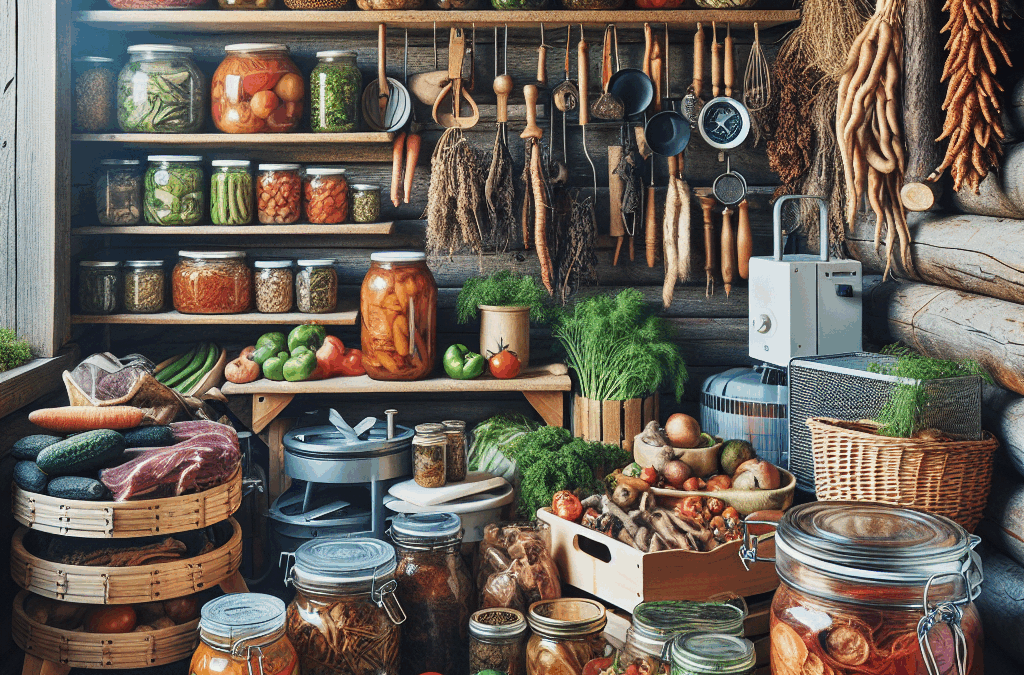
- Introduction to Homestead Food Preservation
- Historical Background and Modern Trends
- Understanding Food Safety Standards in 2025
- Essential Equipment for Homestead Food Preservation
- Choosing the Right Preservation Method for Your Crops
1. Introduction to Homestead Food Preservation
What Is Homestead Food Preservation?
Homestead food preservation is the art and science of storing your homegrown or locally sourced foods to enjoy year-round. It involves methods like canning, freezing, drying, and fermenting. In 2025, more homesteaders are embracing these techniques to ensure food security and reduce reliance on commercial foods.
As someone passionate about sustainable living, Iâve seen firsthand how homestead food preservation empowers families. Not only does it save money, but it also allows control over ingredients and quality. Whether youâre harvesting tomatoes or apples, knowing how to preserve them properly is essential for a successful homestead.
In this comprehensive guide, Iâll cover everything you need to master homestead food preservation in 2025, from essential tools to innovative methods that are trending this year.
2. Historical Background and Modern Trends
The Evolution of Food Preservation Techniques
Food preservation has ancient roots, dating back thousands of years when early humans dried meats or fermented foods. Over time, methods evolved with technological advances, leading to modern techniques like vacuum sealing and high-pressure canning.
Today, in 2025, the trend leans toward sustainable and energy-efficient preservation methods. More homesteaders are incorporating solar dehydrators and reusable canning jars, aligning with eco-friendly practices. Understanding historical techniques gives us a foundation, but embracing innovation helps optimize preservation for todayâs needs.
Emerging Trends in 2025
Some notable trends include fermenting for probiotic health benefits, cryogenic freezing, and the use of smart canning equipment that connects to mobile devices. These innovations aim to improve food quality, safety, and convenience.
Additionally, farmers markets and online communities are fueling knowledge sharing, making modern homestead food preservation more accessible. By integrating historical wisdom with current trends, you can develop a resilient preservation plan tailored for 2025.
3. Understanding Food Safety Standards in 2025
Updated Regulations and Guidelines
Food safety remains paramount in homestead food preservation. In 2025, USDA and local health agencies have updated guidelines to prevent botulism and other foodborne illnesses. These regulations specify processing times, temperature controls, and sanitation practices.
It’s crucial to stay informed about these standards to ensure your preserved foods are safe for family consumption. Regularly consulting official resources, such as the National Center for Home Food Preservation, helps you stay compliant.

Best Practices for Safety and Quality
Using tested recipes is the foundation of safe homestead food preservation. Always sterilize jars and lids, maintain proper processing times, and label your preserved foods clearly. Investing in a reliable thermometer and pressure canner is also essential.
In 2025, a growing number of homesteaders are adopting digital tools to track processing data, reducing errors and improving safety. Remember, safety is just as important as preserving flavor and nutrition.
Frequently Asked Questions about Homestead Food Preservation in 2025
1. What are the most effective homestead food preservation techniques in 2025?
The most effective techniques include modern pressure canning, freezing with energy-efficient freezers, drying using solar dehydrators, and fermenting for probiotic benefits. Combining these methods based on food type and volume is the key to a successful homestead.
2. How do I ensure food safety in my homestead preservation efforts?
Ensure you follow up-to-date guidelines, use tested recipes, sterilize containers, and maintain proper processing times and temperatures. Regularly inspecting stored foods also helps prevent spoilage and contamination.
3. Can I preserve different types of produce together?
Yes, but be mindful of each foodâs preservation requirements. For example, high-acid foods like berries are best canned, while low-acid items like carrots may need pressure canning or freezing. Proper storage conditions are also critical.
4. Why is homestead food preservation important in 2025?
With climate variability, supply chain disruptions, and a growing emphasis on sustainability, homestead food preservation offers a reliable way to maintain food security, reduce waste, and enjoy fresh produce year-round in 2025 and beyond.
Conclusion
Homestead food preservation is an invaluable skill that aligns perfectly with the needs of 2025, ensuring food security, sustainability, and self-sufficiency. By mastering various techniques and understanding current safety standards, you can enjoy fresh, nutritious foods throughout the year. Whether youâre new to preservation or looking to enhance your skills, this ultimate guide provides the insights and practical tips to make 2025 your best year yet for homestead food preservation.
Remember, cultivating your preservation skills today sets the foundation for a resilient and joyful homesteading future.