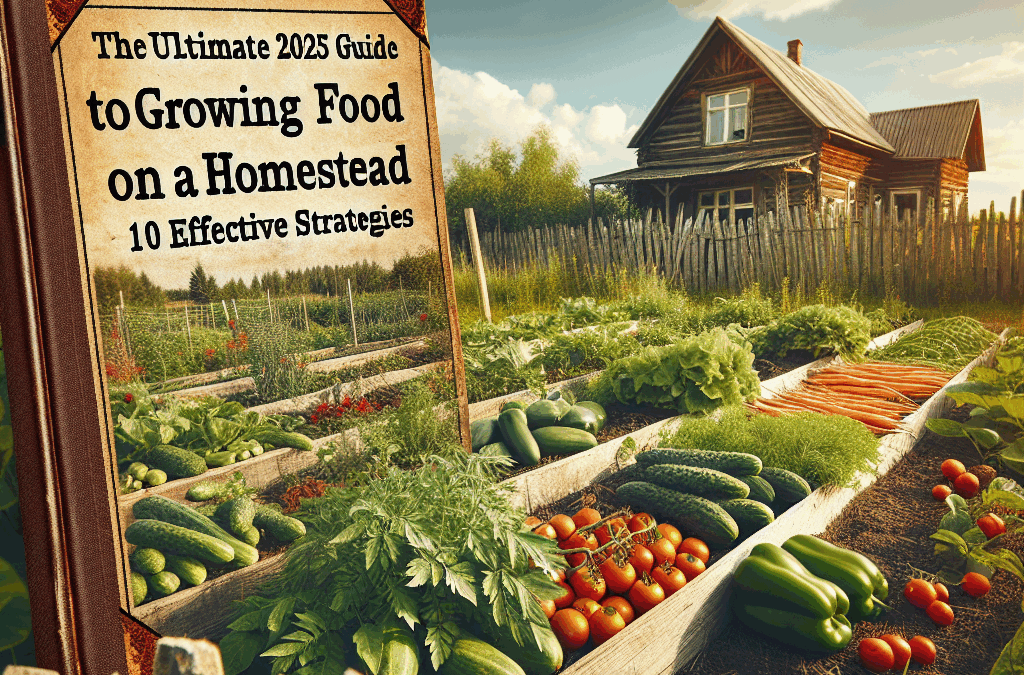
- 1. Plan Your Garden Layout for Maximum Efficiency
- 2. Utilize Companion Planting Techniques
- 3. Implement Organic Soil Enrichment Ideas
- 4. Opt for Raised Beds and Container Gardening
- 5. Incorporate Permaculture Principles into Your Homestead
- 6. Select Climate-Resilient Crops for 2025
- 7. Use Water Conservation Strategies Effectively
- 8. Build a Sustainable Composting System
- 9. Practice Microclimate Management
- 10. Embrace Technology and Smart Gardening Tools
- 2025. Reflect and Adjust Your Growing Food on a Homestead Plan
1. Plan Your Garden Layout for Maximum Efficiency
Understanding Spatial Design Principles
Growing food on a homestead begins with a thoughtful garden layout. Efficient use of space not only maximizes your harvest but also reduces work and resource waste. Start by mapping your land, noting sunlight patterns, wind directions, and water access points. Use these insights to arrange your planting beds for optimal sunlight and airflow. Designing your space wisely ensures your crops thrive and simplifies maintenance.
Effective layout planning involves zoning your garden into dedicated sectionsâvegetables, herbs, fruit trees, and pollinator zones. Consider vertical gardening and layered planting techniques to make the most of limited area. For example, trellising cucumbers and pole beans can free up ground space for other crops.
Research shows that systematically planning your garden can increase yields by up to 30% in the first year. In 2025, incorporating digital mapping tools or garden planning apps is becoming increasingly popular for precise layout creation and long-term planning. This proactive approach is essential for consistent food production on a homestead.
Examples of Successful Layouts in 2025
Many homesteaders now implement zoned gardens based on crop needs and growth cycles. For instance, placing seasonal vegetables closer to water sources and perennial plants further afield can reduce walking time and streamline watering. Raised beds and defined pathways also help keep the garden organized and accessible year-round.
The key takeaway is that a well-planned garden layout provides clarity, boosts productivity, and conserves resources. Start with a sketch in 2025 and refine it as your experience grows.
Actionable Tip: Use online garden design templates and experiment with different layouts to find what works best for your homestead.
2. Utilize Companion Planting Techniques
The Benefits of Companion Planting
Growing food on a homestead is more efficient when you practice companion plantingâgrowing mutually beneficial plants together. This strategy naturally deters pests, improves soil health, and boosts crop yields without relying on chemicals. In 2025, more growers are adopting companion planting as part of organic and sustainable farming methods.
For example, planting basil near tomatoes can repel common pests like aphids, while beans fix nitrogen in the soil, benefitting nearby leafy greens. This symbiotic relationship reduces fertilizer needs and helps create a healthier garden ecosystem. Companion planting also simplifies pest management, saving time and money.
Research indicates that well-planned companion planting can increase yields by 10-15% and reduce pest infestations significantly. This makes it a must-do for anyone serious about growing food on a homestead in 2025.
Practical Companion Planting Combinations
Some classic pairs include carrots and onions, lettuce and radishes, or corn, beans, and squashâknown as the âthree sisters.â These combinations work well together because of their complementary growth habits and pest-repelling properties. Experimenting with regional native plants can also enhance success.
Incorporating companion planting into your routine is straightforward. Create planting charts and notes for each season, documenting which pairs work best for your specific climate.
Tip: Use plant markers to keep track of partnerships and observe which combinations thrive. Over time, you’ll develop a personalized, productive planting strategy.
3. Implement Organic Soil Enrichment Ideas
Building Healthy Soil Naturally
Achieving nutritious soil is fundamental when growing food on a homestead. Organic soil enrichment techniques in 2025 focus on building natural fertility through compost, cover crops, and mineral amendments. These methods eliminate dependence on synthetic fertilizers and promote soil resilience.
Composting kitchen scraps, garden waste, and manure creates rich humus that directly enhances plant growth. Cover crops like clover and vetch fix nitrogen into the soil, maintaining fertility naturally. Adding rock minerals like seaweed or rock phosphate supplies essential trace elements in an eco-friendly way.
Studies show that healthy, organic soils increase crop yields and resilience against pests and diseases. This strategy aligns with increasingly popular consumer preferences for organic, sustainably grown food.

Practical Tips for Soil Enrichment in 2025
Rotate crops annually to prevent nutrient depletion and pest buildup. Use soil testing kits to identify deficiencies before amending soil. Implement no-till practices to preserve soil structure and microbial life.
Laying compost and mulch can also help retain moisture, regulate temperature, and suppress weedsâkey factors for consistent food production on your homestead.
Invest in a simple soil testing kit by 2025 to regularly monitor nutritional levels. This proactive step ensures your garden soil remains fertile year after year.
4. Opt for Raised Beds and Container Gardening
Advantages of Raised Bed Gardening
Growing food on a homestead can be optimized through raised beds, which improve drainage, soil quality, and accessibility. In 2025, many homesteaders are adopting raised bed systems for their convenience and high productivity.
Raised beds warm up faster in spring, extend the growing season, and reduce soil compaction. Theyâre especially useful if your land has poor native soil or drainage issues. Additionally, they make gardening accessible for individuals with mobility challenges or older gardeners.
Case studies reveal that raised-bed vegetable yields can be up to 25% higher than traditional ground planting, primarily due to better soil conditions.
Container Gardening in Limited Spaces
Container gardening allows you to grow food in small areas such as porches, patios, or even rooftops. With smart container choices, you can cultivate herbs, salads, peppers, and small root vegetables effectively.
In 2025, vertical containers and self-watering planters are trending, maximizing space and reducing watering needs. Use high-quality potting mixes and ensure proper drainage to prevent root rot.
Tip: Group containers of similar watering needs together for easier management and to optimize your time and efforts.
Conclusion
In 2025, growing food on a homestead remains a rewarding effort that combines traditional wisdom with modern innovations. By implementing strategies such as thoughtful garden planning, companion planting, organic soil enrichment, and smart gardening techniques, you can create a resilient, productive homestead garden. Remember, the key to success is staying adaptable, learning from experience, and continuously refining your methods. Now is the perfect time to prioritize growing food on a homesteadâyour future self will thank you!
FAQ
Q1: Why is planning important when growing food on a homestead?
Proper planning helps optimize space, sunlight, and water use, leading to higher yields and easier maintenance. In 2025, digital tools make planning even more effective.
Q2: What are the best crops to grow in a homestead in 2025?
Crop choices depend on your climate, but resilient options include kale, tomatoes, beans, and root vegetables. Selecting climate-resilient varieties ensures productivity despite weather variations.
Q3: How can I improve soil quality organically?
Use compost, cover crops, and mineral amendments. These natural methods boost soil fertility and structure, essential for healthy, productive plants.
Q4: How does growing food on a homestead benefit the environment?
It reduces reliance on industrial agriculture, lowers carbon footprint, and promotes biodiversity through organic practices and habitat conservation.
Q5: How can I incorporate technology into my homestead gardening?
Invest in smart watering systems, soil sensors, and garden planning apps to increase efficiency and monitor crop health remotely.