
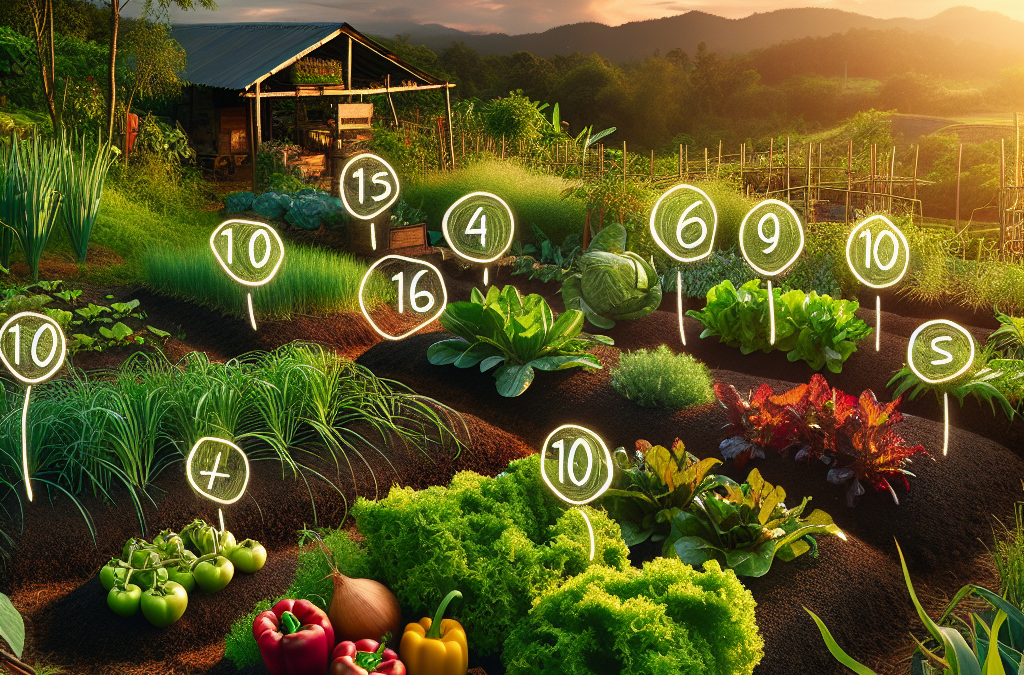
Instant Answer: Yes, you can grow vegetables and herbs together in a homestead garden, and it can be beneficial. Herbs like basil, parsley, and cilantro can enhance vegetable growth by attracting pollinators and repelling pests. However, consider each plant’s sunlight, water, and soil needs to ensure compatibility. Proper spacing and companion planting strategies can optimize growth and yield for both vegetables and herbs.
Contents
- Maximize Your Harvest with Homestead Gardening Techniques
- Understanding Your Soil and Climate
- Choosing the Right Crops for Your Homestead
- Implementing Companion Planting
- Optimizing Garden Layout and Spacing
- Soil Preparation and Enrichment
- Watering Strategies for Maximum Yield
- Managing Pests Naturally
- Season Extension Techniques
- Preserving Your Bounty
- Continuous Learning and Adaptation
- Conclusion
- Related Questions
- How can I improve soil fertility for my homestead garden?
- Which eco-friendly pest control techniques can be used in a home garden?
- What is homestead gardening and how does it work?
Maximize Your Harvest with Homestead Gardening Techniques
Maximize your harvest by embracing time-tested homestead gardening techniques that blend practicality with nature’s harmony. When carefully selecting and arranging your plants, you create a vibrant ecosystem where vegetables and herbs thrive side by side, each supporting the other’s growth. The fragrant basil, parsley, and cilantro not only add flavor to your kitchen but also serve as natural allies, attracting pollinators and warding off pests. By paying close attention to each plant’s sunlight, water, and soil needs, you can craft a balanced garden space that yields abundant, healthy produce season after season.
Understanding Your Soil and Climate
Before planting, it’s essential to understand the unique characteristics of your soil and climate. Conduct a soil test through your local cooperative extension or use a home testing kit to determine pH levels, nutrient content, and soil texture. For example, sandy soils drain quickly but may lack nutrients, while clay soils retain water but can impede root growth. Knowing this allows you to amend your soil appropriately with organic matter like compost or aged manure.
Additionally, observe your local climate patterns—average temperatures, frost dates, rainfall, and sunlight hours. For instance, if you live in a region with short growing seasons, consider selecting cold-hardy crops such as kale, spinach, or radishes that mature quickly. Conversely, in warmer climates, crops like tomatoes, peppers, and eggplants thrive with ample heat and sunlight.
By tailoring your gardening approach to your specific environment, you set a strong foundation for maximizing productivity.
Choosing the Right Crops for Your Homestead
Selecting crops suited to your soil and climate is crucial. For example, if you have limited space, consider vertical gardening techniques for vining plants like cucumbers or pole beans. If you prefer low-maintenance options, herbs such as thyme, oregano, and chives are hardy and prolific producers.
For those aiming for self-sufficiency, focus on staple vegetables like potatoes, carrots, and onions that store well over winter. If you’re interested in fresh eating and preserving, plan for a mix of quick-maturing crops like lettuce and radishes alongside longer-season plants like broccoli and cauliflower.
Additionally, incorporate perennial vegetables such as asparagus and rhubarb that return year after year, reducing planting effort and providing consistent harvests.
Implementing Companion Planting
Companion planting involves strategically pairing plants to enhance growth, deter pests, and improve flavor. For example:
- Basil and tomatoes: Basil repels pests like aphids and enhances tomato flavor.
- Corn and beans: Beans fix nitrogen in the soil, benefiting corn growth.
- Cabbage and dill: Dill attracts beneficial insects that prey on cabbage pests.
This natural pest control reduces the need for chemical interventions and promotes a healthy ecosystem within your garden.
Optimizing Garden Layout and Spacing
A well-planned garden layout maximizes space and improves air circulation. Use raised beds for better soil control and drainage. For example, a 4×8-foot raised bed can produce a surprising amount of vegetables when densely planted with succession planting techniques.
Arrange taller plants like corn or trellised beans on the north side of your garden to prevent shading shorter crops. Use grid patterns or companion planting beds to organize crops efficiently. Spacing is equally important; overcrowding can lead to disease and poor yields. Consult seed packet instructions for recommended spacing and adjust based on your specific varieties.
Soil Preparation and Enrichment
Healthy soil is the backbone of a productive garden. Before planting each season, amend your soil with organic compost rich in nutrients. For example, adding aged manure or composted kitchen scraps improves soil fertility and structure.
Incorporate cover crops such as clover or vetch during fallow periods to fix nitrogen naturally and prevent erosion. Mulching around plants with straw or wood chips conserves moisture, suppresses weeds, and maintains consistent soil temperature.
Regularly test soil health throughout the season to adjust amendments as needed. Healthy soil leads to vigorous plants that resist pests and diseases naturally.
Watering Strategies for Maximum Yield
Consistent watering is vital for healthy plant development. Drip irrigation systems deliver water directly to roots, reducing waste and minimizing disease risk. For example, installing soaker hoses beneath mulch ensures even moisture distribution.
Water early in the morning to allow foliage to dry during the day, preventing fungal diseases. Mulching also helps retain soil moisture during dry spells. Aim for about 1-1.5 inches of water per week, adjusting based on rainfall and plant needs.
Avoid overwatering, which can lead to root rot and other issues. Use moisture meters or simply check soil moisture by feeling the top inch of soil before watering again.
Managing Pests Naturally
Pest management is most effective when integrated into your overall garden plan. Encourage beneficial insects like ladybugs, lacewings, and parasitic wasps by planting nectar-rich flowers such as calendula or dill nearby.
Hand-picking pests like cabbage worms or beetles can be effective in small gardens. Use organic sprays such as neem oil or insecticidal soap when necessary, following label instructions carefully.
Implement crop rotation each year to prevent pest buildup in the soil. For example, avoid planting tomatoes in the same spot two years in a row to reduce tomato hornworm populations.
Season Extension Techniques
Extend your growing season with simple methods like row covers or cold frames. For instance, lightweight fabric covers can protect seedlings from late frosts while allowing sunlight through.
Cold frames or mini-greenhouses trap heat and create microclimates suitable for starting seedlings early or growing cold-tolerant crops through winter. For example, spinach and lettuce can be harvested well into late fall if protected properly.
By extending your growing season, you maximize your harvest potential and make the most of your homestead garden year-round.
Preserving Your Bounty
Preservation methods allow you to enjoy your harvest long after the growing season ends. Techniques include:
- Canning: Preserve tomatoes as sauces or jams; green beans as pickles; peaches as jams or preserves.
- Freezing: Blanch vegetables like broccoli or carrots before freezing to retain flavor and nutrients.
- Drying: Air-dry herbs such as thyme or oregano; dehydrate fruits like apples or berries using a food dehydrator.
- Fermentation: Make sauerkraut from cabbage or kimchi from spicy vegetables for probiotic-rich foods.
Proper preservation not only reduces waste but also provides nutritious ingredients for months to come.
Continuous Learning and Adaptation
The most successful homestead gardeners are those who observe their gardens closely and adapt their techniques over time. Keep a gardening journal noting what works well and what doesn’t—record planting dates, weather conditions, pest outbreaks, and harvest yields.
Attend local gardening workshops or join online forums to exchange ideas with fellow gardeners. Experiment with new crops or innovative techniques such as permaculture principles or biodynamic farming to further improve your homestead’s productivity.
By staying informed and flexible, you ensure your garden remains resilient and productive for years to come.
Conclusion
Maximizing your harvest through effective homestead gardening techniques requires planning, knowledge, and dedication. From understanding your soil and climate to implementing companion planting and season extension methods—each step contributes to a thriving garden that provides abundant fresh produce. Embrace sustainable practices like natural pest control and soil enrichment to create an eco-friendly environment that benefits both you and the planet. With patience and continuous learning, your homestead garden can become a reliable source of food, beauty, and satisfaction for years ahead.
Related Questions
How can I improve soil fertility for my homestead garden?
Improving soil fertility can be achieved by adding organic matter such as compost, manure, and cover crops. These amendments enrich the soil with essential nutrients and improve its structure. Practicing crop rotation and avoiding over-tilling also help maintain healthy soil. Regular testing of soil pH and nutrient levels can guide you in making targeted improvements.
Which eco-friendly pest control techniques can be used in a home garden?
Sustainable pest control methods include introducing beneficial insects like ladybugs and praying mantises, using companion planting to repel pests, and applying organic sprays such as neem oil. Maintaining healthy, vigorous plants through proper watering and fertilization also reduces pest susceptibility. Avoiding chemical pesticides helps protect beneficial insects and promotes a balanced ecosystem in your garden.
What is homestead gardening and how does it work?
In simple terms, homestead gardening refers to the core process or practice behind your project. For example, a beginner might break a large task into smaller milestones and set aside 5–10 hours to experiment with basic techniques. This helps you plan your time, gather the right materials and measure progress. Understanding these mechanics ensures you work efficiently and achieve tangible results.


