
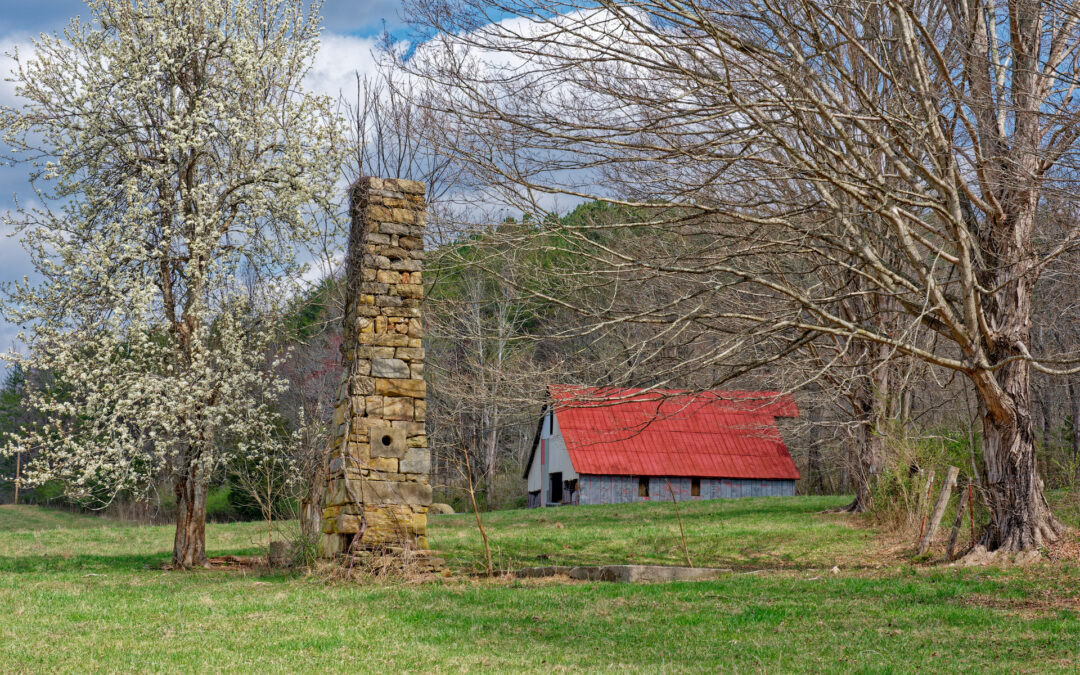
Instant Answer: Modern day homesteading is a lifestyle focused on self-sufficiency, sustainability, and reducing reliance on commercial systems. It involves practices like growing food, raising animals, and using renewable energy sources to live off the grid or minimize external dependencies. Homesteaders often prioritize organic farming, conservation, and DIY projects to create a more autonomous way of living. This movement has gained popularity as people seek healthier, environmentally friendly, and resilient ways of life.
Table of Contents
- The Benefits of Embracing Modern Homesteading Practices
- Enhanced Food Security and Nutrition
- Environmental Sustainability and Eco-Friendliness
- Cost Savings and Financial Independence
- Health and Well-Being Benefits
- Building Community and Sharing Knowledge
- Resilience in the Face of Climate Change
- Practical Steps to Get Started with Modern Homesteading
- Conclusion
- Other Questions People Ask
- What are the essential skills needed for homesteading?
- How can I start a small-scale homestead on a limited budget?
- What are the benefits of homesteading for mental health?
The Benefits of Embracing Modern Homesteading Practices
Embracing modern homesteading practices offers a tangible path to reconnect with the land and reclaim a sense of independence in everyday life. By cultivating organic gardens, raising animals with care, and harnessing renewable energy, homesteaders craft a resilient lifestyle that reduces reliance on distant supply chains. This approach not only nurtures a deeper bond with nature but also fosters a sustainable way of living that aligns with environmental values. As more people seek healthier, more autonomous routines, the appeal of creating a self-sufficient homestead continues to grow, blending tradition with innovation in everyday practices.
In recent years, the concept of homesteading has experienced a renaissance, driven by a desire for self-sufficiency, sustainability, and a deeper connection to nature. Modern homesteading combines traditional skills with innovative techniques to create resilient, eco-friendly living environments. Whether you own a sprawling farm or a small backyard, adopting these practices can significantly enhance your quality of life and reduce your ecological footprint.
Enhanced Food Security and Nutrition
One of the most compelling benefits of modern homesteading is the ability to produce your own food. Growing vegetables like heirloom tomatoes, kale, and carrots in your backyard ensures access to fresh, organic produce free from pesticides and preservatives. For example, urban homesteaders often cultivate microgreens and herbs on windowsills or balcony gardens, providing nutritious additions to meals year-round.
Raising animals such as chickens for eggs, goats for milk, or bees for honey not only supplies essential nutrients but also fosters a deeper understanding of food origins. Many homesteaders report that their homegrown eggs are richer in flavor and higher in omega-3 fatty acids compared to store-bought options. Additionally, preserving surplus harvests through canning, fermenting, or drying extends the benefits of your efforts well into the off-season.
Environmental Sustainability and Eco-Friendliness
Modern homesteading emphasizes sustainable practices that minimize environmental impact. Composting kitchen scraps and yard waste reduces landfill contributions and creates nutrient-rich soil for gardens. Implementing rainwater harvesting systems captures rainwater for irrigation, decreasing reliance on municipal water supplies and conserving resources.
Using renewable energy sources like solar panels or wind turbines can power your homestead efficiently. For example, installing solar-powered water pumps or lighting reduces electricity bills and carbon emissions. Many homesteaders also adopt permaculture principles—designing landscapes that mimic natural ecosystems—to promote biodiversity and soil health.
Cost Savings and Financial Independence
Although establishing a homestead requires initial investment, the long-term savings are substantial. Growing your own vegetables and raising animals reduces grocery bills significantly. For instance, a family of four can save hundreds of dollars annually by producing their own eggs, vegetables, and herbs.
Homesteading also opens avenues for income generation through selling excess produce, homemade jams, or handcrafted goods at local markets or online platforms. Some enthusiasts have turned their passion into small businesses, such as organic vegetable box subscriptions or beekeeping honey sales, creating additional revenue streams that contribute to financial independence.
Health and Well-Being Benefits
Engaging in hands-on activities like gardening, animal care, or building compost bins promotes physical activity and reduces stress. The therapeutic effects of working outdoors are well-documented; spending time in nature can lower blood pressure and improve mental health.
Moreover, consuming fresh, organic foods directly from your homestead supports better nutrition and overall health. Many homesteaders notice improvements in energy levels, immune function, and skin health after transitioning to homegrown diets.
Building Community and Sharing Knowledge
Modern homesteading often fosters a sense of community among like-minded individuals. Participating in local farmers’ markets, seed swaps, or online forums creates opportunities to exchange tips, seeds, and resources. For example, sharing heirloom seed varieties with neighbors helps preserve genetic diversity and promotes resilient crops.
Workshops on topics like composting techniques or natural pest control empower others to adopt sustainable practices. Community-supported agriculture (CSA) programs enable neighbors to access fresh produce while supporting local farmers and homesteaders alike.
Resilience in the Face of Climate Change
As climate patterns become more unpredictable, resilient homesteading practices help communities adapt. Growing drought-tolerant crops such as millet or sorghum ensures food security during dry spells. Installing greywater systems allows for efficient water reuse in irrigation.
Creating diversified systems—combining vegetable gardens, fruit trees, livestock, and aquaponics—reduces dependence on external supply chains. For example, integrating fish tanks with vegetable beds provides a sustainable source of protein while fertilizing plants naturally.
Practical Steps to Get Started with Modern Homesteading
- Assess Your Space: Determine the available land or container space for gardening and animal husbandry. Even small balconies can host container gardens with herbs and salad greens.
- Learn Basic Skills: Enroll in local workshops or online courses on composting, seed saving, chicken care, or natural pest control. Resources like the USDA’s extension services offer valuable guidance.
- Plan Your Garden: Use companion planting strategies to maximize space and deter pests naturally. For example, planting marigolds alongside tomatoes can reduce nematodes.
- Start Small: Begin with a few easy-to-grow crops like lettuce or radishes and expand as you gain confidence.
- Invest in Sustainable Infrastructure: Install rain barrels, compost bins, or solar panels gradually to enhance efficiency without overwhelming your budget.
- Connect with Local Resources: Join community gardens, farmers’ markets, or online forums to exchange knowledge and support.
Conclusion
Embracing modern homesteading practices offers numerous benefits—from improved health and food security to environmental sustainability and financial independence. By integrating traditional skills with innovative techniques such as permaculture design, renewable energy use, and community engagement, you can create a resilient and rewarding lifestyle. Whether you have acres of land or a small urban balcony, taking these practical steps can help you build a more self-sufficient future while fostering a deeper connection to the natural world.
Other Questions People Ask
What are some key advantages of adopting modern day homesteading practices?
Adopting modern day homesteading practices enhances food security by allowing you to grow your own organic produce and raise animals for fresh eggs, milk, and honey. It also promotes environmental sustainability through composting, rainwater harvesting, and renewable energy use. Additionally, it can lead to cost savings by reducing grocery bills and creating potential income streams from selling surplus goods. Overall, it fosters a healthier, more autonomous lifestyle connected to nature.
How can embracing modern homesteading improve environmental sustainability?
Modern homesteading emphasizes eco-friendly practices such as composting, rainwater collection, and using renewable energy sources like solar panels. These methods reduce reliance on municipal resources and lower carbon footprints. Implementing permaculture principles also promotes biodiversity and soil health, making your land more resilient and sustainable over time. This approach helps create a balanced ecosystem that benefits both the environment and your homestead.
What practical steps can beginners take to start practicing modern homesteading?
Beginners can start by establishing a small vegetable garden and raising a few chickens for eggs to build self-sufficiency gradually. Learning basic skills like composting, seed saving, and natural pest control can set a strong foundation. Investing in renewable energy options, such as solar lights or water pumps, can also make your homestead more sustainable. Joining local groups or online forums can provide valuable tips and support as you begin your journey.
Frequently Asked Questions
What is the first thing beginners should understand about Is Modern Day Homesteading?
Beginners should start by matching the advice to the exact situation instead of copying a broad checklist. With Is Modern Day Homesteading, the right first step depends on the goal, the available tools, and the risk of doing too much too soon. Start small, look for one clear win, and use that result before adding more steps.
How do you put Is Modern Day Homesteading into practice?
Put Is Modern Day Homesteading into practice by choosing one specific action, setting a simple standard, and checking whether it works. For example, if the goal is better planning, write down the task, the supplies needed, and the next visible result. This keeps the process practical instead of turning it into a vague idea.
What common mistake should you avoid with Is Modern Day Homesteading?
A common mistake is moving too quickly before the basics are working. With Is Modern Day Homesteading, that can mean buying tools, changing routines, or following advice without knowing whether it fits the real need. Check the simplest requirement first, then improve one piece at a time so mistakes are easier to spot.
How long does it take to see results from Is Modern Day Homesteading?
Results depend on the starting point and how consistently the steps are applied. Some improvements may show up quickly, such as fewer delays or clearer decisions, while bigger results take repeated practice. For example, tracking one action for two weeks can reveal whether Is Modern Day Homesteading is really working or needs careful adjustment.

