- Prioritize Sustainable Food Sources
- Create Efficient Permaculture Designs
- Implement Water Conservation Techniques
- Raise Diverse Livestock
- Gardening with Native Plants
- Utilize Renewable Energy Solutions
- Maintain Soil Health Organically
- Foster Community Sharing and Trade
- Practice Homesteading Education and Innovation
- Set Goals and Embrace Flexibility
1. Prioritize Sustainable Food Sources
Incorporate Permaculture Principles for Long-Term Productivity
One of the foundational homesteading lifestyle tips is focusing on sustainable food sources. Permaculture principles encourage creating resilient ecosystems that produce food naturally and with minimal effort. By designing your homestead around zones that optimize plant and animal placement, you can significantly increase yields while reducing resource input. For example, planting perennial vegetables and fruit trees ensures a sustainable harvest year after year.
In 2025, many homesteaders are turning to permaculture to build climate-resilient farms. Data shows that permaculture farms tend to require less water and inputs over time, making them ideal for sustainable living. Additionally, integrating animals such as chickens and goats into your permaculture system can provide manure for compost and natural pest control.
Actionable tip: Start small by designing a permaculture garden plot and observe how the ecosystem develops. Resources like permaculture design courses can help you implement these strategies effectively.
Grow a Variety of Crops to Ensure Food Security
Relying on a diverse range of crops minimizes risk and maximizes nutritional benefits. Monoculture farming can make your homestead vulnerable to pests and diseases, but planting a variety of crops spreads the risk. Consider vegetables, grains, and legumes suited to your climate in 2025.
Procuring seeds that are heirloom and locally adapted ensures better germination rates and resilience. You can also experiment with companion planting to boost growth and repel pests naturally.
Pro tip: Keep a gardening journal to track which crops perform best and adapt your planting schedule annually for optimal output.
2. Create Efficient Permaculture Designs
Design Your Homestead for Energy and Resource Efficiency
Creating a permaculture design means structuring your land to maximize energy flow and minimize waste. Elements like water catchment systems, swales, and coppiced trees can improve water retention and build microclimates, reducing the need for external inputs.
In 2025, advanced design tools and software make it easier than ever to plan efficient layouts. These systems not only conserve resources but also enhance biodiversity on your homestead, attracting beneficial insects and pollinators.
Tip: Use permaculture design principles to zone your property, placing water and observation zones close to your house for quick access.
Implement Crop and Animal Guilds for Self-Sufficiency
Guilds are groups of plants and animals that mutually support each other. For example, planting nitrogen-fixing plants alongside crops and integrating chickens for pest control creates a balanced ecosystem. This interconnected approach reduces dependency on external inputs.
Implementing efficient guilds can greatly enhance productivity in small spaces, which is valuable for homesteaders in urban or limited land areas in 2025.
Action step: Research local plant and animal guilds suited to your climate to maximize benefits on your homestead.
3. Implement Water Conservation Techniques
Gather Rainwater and Use Drip Irrigation
Water scarcity is a pressing concern, making water conservation a key homesteading lifestyle tip. Installing rainwater harvesting systems can supply your homestead with free, clean water for irrigation and household use. Ensuring proper filtration makes it safe for drinking and cooking.
Combining rainwater harvesting with efficient watering techniques like drip irrigation minimizes water waste and keeps your plants healthy. In 2025, smart irrigation controllers can optimize watering schedules automatically based on weather data.
Practical advice: Regularly inspect and clean rainwater collection systems to ensure consistency and safety.
Choose Native, Drought-Tolerant Plants
Selecting native and drought-resistant plants reduces watering needs and increases the sustainability of your landscape. Native plants are adapted to local climate conditions, making them more resilient and requiring less maintenance.
For example, native grasses and wildflowers can thrive with minimal supplemental water, saving both time and resources. Including xeriscaping principles in your yard design in 2025 ensures a low-maintenance, eco-friendly landscape.
Tip: Consult your local extension services or native plant societies for planting recommendations tailored to your region.
4. Raise Diverse Livestock
Choose Hardy and Adaptable Animals for Your Homestead
In 2025, successful homesteaders are diversifying their livestock to enhance food security and sustainability. Hardy animals like heritage breeds of chickens, pigs, and sheep can adapt better to local climates and require fewer medical interventions.
Raising a mix of animalsâsuch as goats for milk and meat, chickens for eggs, and bees for honeyâdiversifies your homesteadâs productivity and resiliency. This diversity can also help manage pests naturally and provide multiple income streams.
Action tip: Start with small herds or flocks, and gradually expand as you become more comfortable managing different species.
Implement Rotational Grazing and Proper Shelter
Rotational grazing improves land health by preventing overgrazing and encouraging diverse plant growth. It also reduces parasite loads in livestock and improves animal health.
Designing proper shelters with good ventilation and weather protection is essential for animals’ well-being in all seasons, especially as climate patterns shift in 2025.
Tip: Keep detailed records of grazing rotations and animal health to optimize your livestock management.
5. Gardening with Native Plants
Enhance Biodiversity with Locally Adapted Plants
Using native plants in your garden not only simplifies maintenance but also supports local ecosystems. These plants are naturally resistant to pests and diseases, reducing chemical use.
In 2025, native gardening is thriving with new planting techniques that increase resilience to climate change, like drought-tolerant native ground covers and flowering plants that attract pollinators.
Concrete example: Planting wildflowers and native hedgerows creates habitat corridors for beneficial insects and wildlife.
Design Low-Maintenance Native Gardens
Designing gardens around native plants can save time and resources, freeing you up for other homesteading activities. Incorporate mulching and companion planting to suppress weeds and retain moisture.
Native plants tend to flourish with less water once established, making your homestead more sustainable in 2025.
Suggestion: Use local plant guides and resources to select appropriate species for your landscape.
6. Utilize Renewable Energy Solutions
Install Solar Panels and Wind Generators
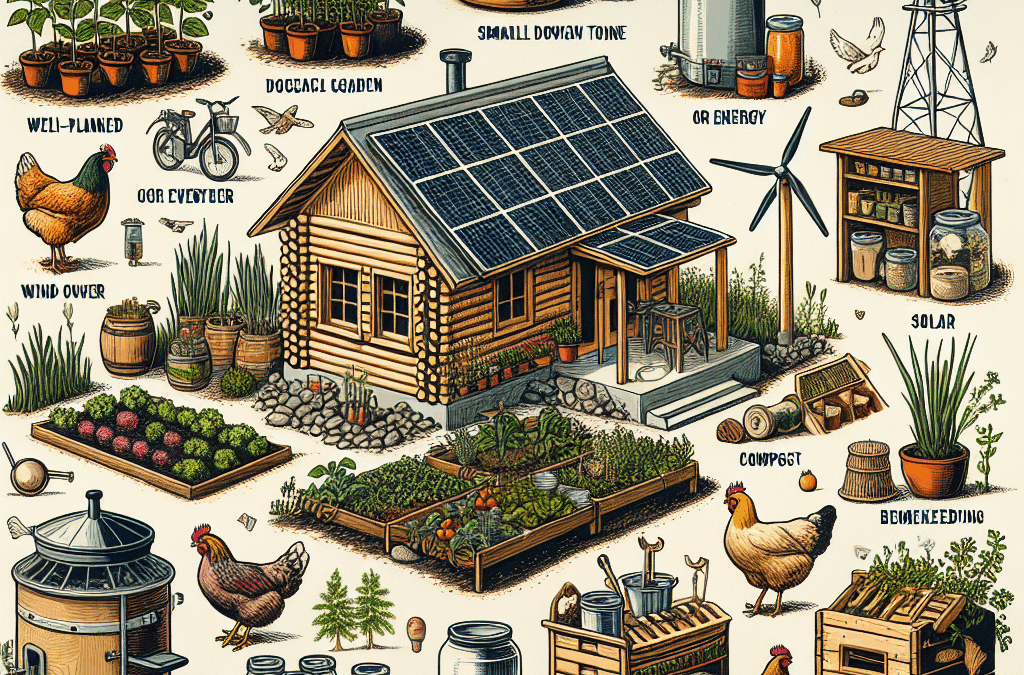
Transitioning to renewable energy is a top homesteading lifestyle tip in 2025. Solar panels are more affordable and efficient than ever, providing clean power for your home, greenhouse, and livestock needs.
Wind turbines can supplement solar, especially in locations with consistent breeze. Combining these sources can make your homestead nearly energy-independent.
Tip: Analyze your energy consumption and choose scalable solutions that fit your homesteadâs size and budget.

Use Solar Water Heaters and Battery Storage
Solar water heaters reduce electricity or fuel use for heating water. Battery storage systems allow you to store excess energy generated during the day for night-time use, ensuring uninterrupted power supply.
Much like in 2025, adopting these technologies can cut your energy bills significantly and promote sustainable living practices.
Advice: Regular maintenance of your solar equipment extends its lifespan and efficiency.
7. Maintain Soil Health Organically
Use Composting and Cover Crops
Healthy soil is the backbone of a thriving homestead garden. Composting kitchen and garden waste turns organic matter into nutrient-rich soil amendment. Cover crops like clover or vetch fix nitrogen and prevent erosion.
By using organic practices, you improve soil structure and fertility for the long-term. In 2025, regenerative agriculture techniques are gaining popularity among homesteaders.
Basic tip: Test your soil annually to monitor nutrient levels and adjust amendments accordingly.
Practice No-Till Gardening
Minimizing soil disturbance preserves soil microbes and organic matter â critical for soil health. No-till gardening can reduce labor and improve carbon sequestration, vital in combating climate change.
Using mulch, you retain moisture and suppress weeds, further supporting organic soil management.
Recommendation: Transition small sections of your garden to no-till methods as a pilot project to see benefits firsthand.
8. Foster Community Sharing and Trade
Create Local Exchange Networks
Building a community network for sharing produce, seeds, tools, and skills is a practical homesteading lifestyle tip for 2025. These networks improve resilience and reduce costs.
For example, hosting a seed swap or using online platforms enables you to access diverse varieties and new farming techniques.
Advantage: Strengthening local connections can also provide emotional support and motivation on your homesteading journey.
Participate in Cooperative Buying and Selling
Cooperatives provide opportunities to purchase supplies in bulk and sell homemade products, increasing profitability. These partnerships can also facilitate shared resources like machinery or livestock breeds.
In 2025, online marketplaces dedicated to homesteading products further expand your reach locally and beyond.
Tip: Collaborate with nearby homesteaders to organize farm shares or produce delivery cooperatives.
9. Practice Homesteading Education and Innovation
Stay Informed with Online Resources and Workshops
Continuing education is crucial for adapting to new techniques and trends. There are countless online courses, webinars, and local workshops focused on sustainable farming, preservation, and animal care in 2025.
Learning from experienced homesteaders can accelerate your progress and help you avoid costly mistakes.
Suggestion: Follow reputable blogs, participate in forums, and join local homesteading groups for ongoing support and knowledge.
Embrace Innovation and Technology
Technological advancements, such as smart gardening devices, LED grow lights, and automation, can boost productivity. Integrate small-scale innovations to make your homestead more efficient and enjoyable.
In 2025, many homesteaders are experimenting with vertical farms, aquaponics, and renewable energy upgrades to maximize space and sustainability.
Pro tip: Test new gadgets on a small scale before fully incorporating them into your homestead system.
10. Set Goals and Embrace Flexibility
Define Clear, Achievable Objectives
Setting specific goals helps you stay focused and measure progress. Whether itâs reducing your grocery bill by 50% or growing a certain amount of produce, clarity guides your actions.
Review and adjust your goals regularly to reflect changing circumstances and new insights gained during your homesteading journey.
Advice: Write your goals down and celebrate milestones to stay motivated in 2025 and beyond.
Be Open to Change and Innovation
Flexibility is vital in sustainable living. Climate change, market fluctuations, and new technologies require adapting your plans. Embracing innovation keeps your homestead resilient and thriving.
Try new techniques and donât be afraid of failureâeach setback offers valuable learning opportunities.
Key takeaway: A flexible mindset ensures continuous improvement and enjoyment of your homesteading lifestyle.
Frequently Asked Questions
1. What are the most important homesteading lifestyle tips for 2025?
Prioritizing sustainable food sources, water conservation, renewable energy, and soil health are among the most crucial tips for building a resilient and eco-friendly homestead in 2025.
2. How can I start implementing homesteading lifestyle tips if I have limited space?
Focus on intensive gardening, vertical growing, container plants, and raising small livestock like rabbits or chickens in confined areas. Permaculture principles are adaptable to small spaces and maximize productivity.
3. Why is community sharing important in homesteading?
Sharing resources, seeds, and skills reduces costs and fosters support networks. Community trade can also offer fresh perspectives and new techniques, making homesteading more enjoyable and sustainable.
4. Are renewable energy solutions worth adopting on a small homestead?
Absolutely. Solar and wind systems can significantly reduce energy costs and carbon footprint, especially as technology becomes more affordable and efficient in 2025.
5. How do I stay current with the latest homesteading lifestyle tips?
Subscribe to relevant blogs, join online forums, participate in workshops, and network with other homesteaders. Continuous learning is key to adapting and thriving in the evolving landscape of sustainable living.
Conclusion
In 2025, embracing the homesteading lifestyle tips outlined above can truly transform your life. By focusing on sustainability, biodiversity, community, and ongoing education, you can create a resilient, self-sufficient homestead that thrives amidst changing environmental and economic conditions. The journey toward a more sustainable lifestyle is ongoing, and with these practical tips, you are well-equipped to make meaningful progress this year and beyond.