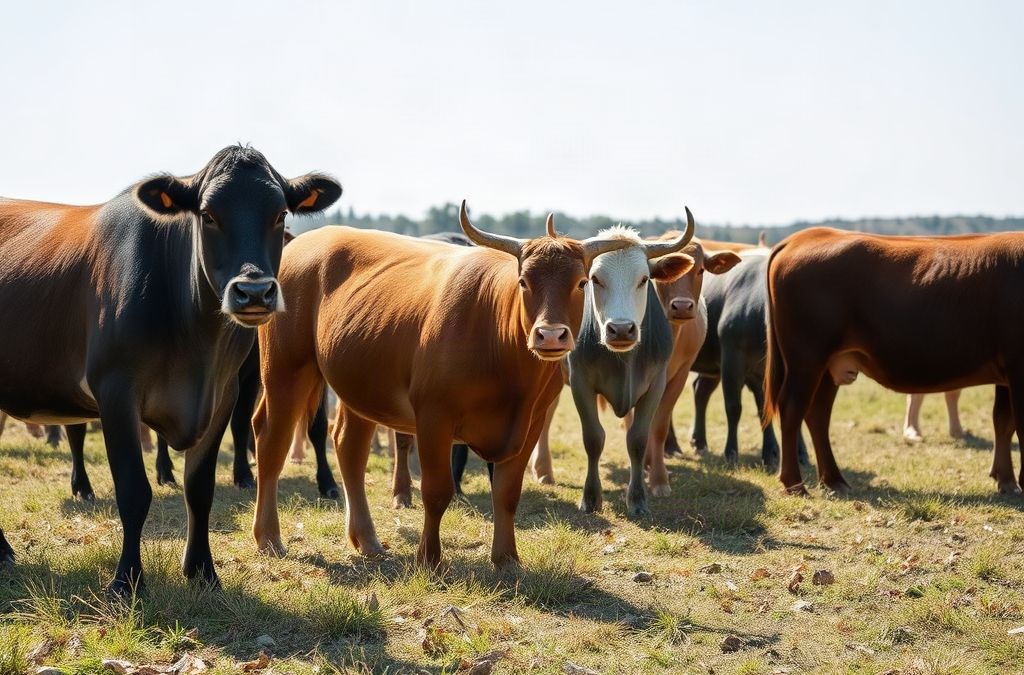
Pastoral lifestyle practices for self-reliant households combine managed grazing, dependable animal care, forage planning, food preservation, and seasonal labor routines rather than relying on livestock alone. A workable system matches herd size to available pasture, protects water and fencing, rotates animals before forage is depleted, and stores hay or other feed before winter pressure arrives. Daily observation matters because changes in appetite, movement, manure, or body condition can reveal trouble before a small problem becomes expensive. Households also need backup plans for drought, illness, predators, equipment failure, and periods when labor or pasture is limited. The strongest approach begins with a manageable number of animals and expands only when land, feed, skills, and time can support them.
What you’ll learn
This guide covers the following practical points:
- Designing a Pastoral System Around Land and Labor — A pastoral household organizes animals, pasture, water, shelter, and human labor as one operating system.
- Grazing, Forage, and Water Management — Managed grazing protects the forage base by controlling where and when animals feed.
- Animal Care, Infrastructure, and Risk Control — Routine animal care depends on early observation and simple infrastructure.
- Seasonal Planning and Household Self-Reliance — Seasonal planning turns pastoral work from a series of urgent reactions into a predictable rhythm.
Designing a Pastoral System Around Land and Labor
A pastoral household organizes animals, pasture, water, shelter, and human labor as one operating system. The first design decision is not which breed to buy; it is how much dependable forage the property can produce across an entire year. A parcel that appears abundant in spring may offer little usable feed during a dry summer, while a larger acreage may be difficult to manage if animals are spread across unfenced areas.
Begin by mapping usable grazing ground, wet areas, wooded sections, access lanes, shade, water points, and places where vehicles can deliver feed. Separate productive pasture from land that is steep, fragile, toxic-plant prone, or difficult to inspect. A household with limited time may be better served by a smaller flock near the home than by a larger herd requiring long daily travel. The goal is reliable oversight, not maximum animal numbers.
Pastoral practices also work best when the household identifies its actual outputs. Sheep or goats may provide meat, fiber, milk, manure, or vegetation control, but each purpose changes the management burden. Dairy animals require regular milking; fiber animals require shearing and sorting; meat animals require a plan for finishing, processing, and storage. Combining several purposes can improve resilience, but it can also create conflicting breeding and feeding priorities.
A common mistake is calculating capacity from average conditions. Plan for the weakest realistic season instead. If drought, wildfire smoke, flooding, or an unusually long winter would force emergency purchases, reduce the planned stocking level or create a reserve area. Pastoral lifestyle practices for self-reliant households are strongest when the daily workload remains feasible during stressful periods.
Grazing, Forage, and Water Management
Managed grazing protects the forage base by controlling where and when animals feed. Moving animals before plants are grazed repeatedly to the ground gives leaves time to recover and reduces bare soil, compaction, and erosion. The exact timing depends on rainfall, plant growth, soil type, animal density, and season; a fixed calendar is less dependable than observing pasture conditions.
Temporary electric fencing can divide a large area into smaller paddocks, making rotation more precise without requiring permanent construction everywhere. A useful rotation is not necessarily a rapid one. If animals leave behind adequate plant height and the next paddock has recovered, the schedule is working. If animals return to short, weakened growth or begin eating undesirable plants, the rest period or stocking pressure needs adjustment.
Forage planning must include stored feed. Hay quality varies by cutting date, plant maturity, weather exposure, and storage conditions. Keep bales off damp ground, protect them from precipitation, and inspect for heating, mold, or spoilage before feeding. Buying hay late in the season may be more expensive or difficult, so estimate winter needs early and maintain a buffer rather than treating the minimum calculation as a target.
Water deserves the same attention as pasture. Troughs should be easy to clean, protected from contamination, and positioned so animals do not destroy the surrounding ground. Frozen lines, algae, muddy approaches, and weak float valves can interrupt access even when the source itself is dependable. A household may choose permanent plumbing for convenience or portable tanks for flexible rotation; the better option depends on terrain, freezing conditions, maintenance skill, and available power.
The weak assumption to avoid is that green pasture automatically means adequate nutrition. Plant maturity, mineral availability, parasites, and competition within the herd can change what animals actually receive. Body condition, grazing behavior, manure consistency, and weight trends offer more useful information than color alone. Consult local extension guidance or a qualified livestock professional when forage testing, mineral balancing, or supplementation decisions exceed household experience.
Animal Care, Infrastructure, and Risk Control
Routine animal care depends on early observation and simple infrastructure. A sound daily check notices appetite, gait, breathing, social behavior, coat or fleece condition, manure, and access to water. Animals often hide weakness until a problem is advanced, so a quiet individual standing apart deserves attention even if no dramatic symptom is visible.
Infrastructure should reduce handling stress and make necessary work possible. Secure fencing, a small catch pen, a loading area, shelter from severe weather, and safe gates are more valuable than decorative improvements. A narrow lane leading from pasture to the handling area can save substantial labor during health checks or transport. Design gates so one person can operate them without stepping into a dangerous position between animals and a solid barrier.
Predator protection illustrates the tradeoff between cost and labor. Strong perimeter fencing may reduce losses but requires installation and inspection. Guardian animals can provide useful deterrence but bring their own feeding, training, and health needs. Night confinement may protect vulnerable stock while increasing handling and bedding work. The right choice reflects local predator pressure, animal size, terrain, and the household’s ability to monitor the system.
Biosecurity is equally practical. Quarantine newly acquired animals before mixing them with the resident group, avoid sharing dirty equipment between pens, and keep feed storage inaccessible to rodents. Maintain written records for births, treatments, injuries, breeding dates, and recurring problems. Records reveal patterns that memory misses, such as repeated kidding difficulty, seasonal lameness, or weight loss after a particular pasture change.
Self-reliance does not mean refusing outside help. A household should know which tasks it can safely handle and which require veterinary care, diagnostic testing, professional hoof work, or emergency transport. Delaying treatment to preserve an ideal of independence can increase suffering and expense. A practical emergency plan lists contact numbers, transport options, basic supplies, and the location of records. Pastoral lifestyle practices for self-reliant households should lower dependence on fragile supply chains without pretending that every specialist service can be replaced at home.
Seasonal Planning and Household Self-Reliance
Seasonal planning turns pastoral work from a series of urgent reactions into a predictable rhythm. Spring may bring births, pasture growth, fencing repairs, and parasite monitoring. Summer often shifts attention toward shade, water, flies, fire risk, and forage conservation. Autumn is the time to assess body condition, secure winter feed, repair shelters, and decide which animals belong in the next breeding group. Winter emphasizes shelter, bedding, stored feed, ice management, and close observation.

Households should connect animal production to food preservation and labor availability. A planned butchering period may require freezer capacity, clean working space, transport, and time for packaging. Milk production requires dependable daily attendance, while eggs, meat, fiber, and manure may be easier to schedule around outside employment. Selecting outputs that fit the household’s calendar is more sustainable than producing everything the land could theoretically support.
Preservation can include freezing, pressure canning where appropriate, drying, salting, fermenting, or making shelf-stable products according to tested food-safety guidance. Animal products require particular care because contamination and temperature abuse may not be obvious. Home production does not remove the need for sanitation, safe temperatures, clean equipment, or compliance with applicable local rules.
Pastoral systems also create useful household by-products. Properly managed manure can contribute to soil fertility, but fresh manure should not be applied indiscriminately to crops intended for immediate harvest. Bedding mixed with manure can be composted when moisture, aeration, and time are adequate. Wool, hides, milk, and rendered fats may have uses, but processing them takes tools and skill; a by-product is only an asset if the household has a realistic way to handle it.
A common planning failure is filling every month with peak labor. Schedule breeding, births, hay acquisition, repairs, preservation, and outside commitments with recovery time between them. Keep a written seasonal checklist and review it after each cycle. What took too long, caused animal stress, or depended on unavailable supplies should change the next year’s plan.
Building a Manageable Pastoral Routine
A workable routine separates essential checks from optional improvements. Every day, verify water, observe each animal, inspect high-risk fencing, and note anything unusual. Several times each week, examine pasture use, trough cleanliness, body condition, and shelter. At longer intervals, review feed inventory, equipment, records, and upcoming labor demands. This structure helps a household maintain standards even when weather or employment disrupts the schedule.
Start with a pilot scale. A small group allows the household to learn handling, grazing behavior, feed consumption, fencing weaknesses, and seasonal workload before expansion magnifies mistakes. Compare planned labor with actual labor for several months. If morning chores regularly interfere with work or animals require repeated emergency purchases, increasing herd size is a poor solution.
Use a priority order when resources are tight:
- Protect access to clean water and adequate feed.
- Provide secure fencing, shelter, and safe handling space.
- Observe animals consistently and respond to abnormalities early.
- Maintain feed reserves and a plan for drought, illness, and equipment failure.
- Add products or infrastructure only after the basic system performs reliably.
The best sign that the approach is working is not a rapidly growing herd. It is stable body condition, recovering pasture, predictable chores, low avoidable waste, and enough reserve capacity to absorb a bad week. Signs of failure include repeated bare ground, muddy water points, unexplained weight loss, chronic fence escapes, rushed breeding decisions, and dependence on last-minute feed purchases.
For beginners, hardy animals and straightforward infrastructure are usually more valuable than specialized breeds or complex automation. Experienced households may gain efficiency from improved paddock layouts, forage testing, record analysis, or selective breeding, but technical additions should solve a demonstrated bottleneck. Pastoral lifestyle practices for self-reliant households become durable when every expansion is justified by land capacity, available labor, and a clearly defined household benefit.
Frequently Asked Questions
What animals fit a small pastoral household?
Sheep, goats, poultry, or a few cattle may fit, but suitability depends on acreage, fencing, forage, climate, handling ability, and the household’s intended products. Begin with the species whose daily care matches available labor.
How much pasture does a household need?
There is no universal acreage figure because carrying capacity changes with soil, rainfall, plant growth, topography, season, and management. Local extension resources, pasture observation, and conservative stocking are more reliable than a generic ratio.
Is rotational grazing always better?
Rotation may protect plants and improve control of grazing pressure when paddocks, water, and labor are practical. Poorly timed moves or excessive stocking can still damage pasture, so recovery and plant condition matter more than following a fixed schedule.
What should be stored before winter?
Plan adequate forage, clean bedding, mineral supplies, basic health materials, repair supplies, and backup water arrangements. Store feed in a dry, accessible place and inspect it before animals depend on it.
How can a household avoid becoming overwhelmed?
Keep the initial herd small, track actual chore time, build reserve capacity, and add one new responsibility at a time. Choose animal products that fit the household’s schedule rather than pursuing every possible output.
Conclusion
A self-reliant pastoral household is built through dependable routines rather than animal ownership alone. Match stocking levels to the poorest realistic season, make water and forage easy to monitor, and invest first in fencing, shelter, handling space, and feed reserves. Daily observation and accurate records help reveal trouble while it is still manageable. Seasonal planning should connect births, grazing, preservation, repairs, and household labor instead of treating each task separately. Begin at a scale that leaves room for illness, bad weather, equipment failure, and ordinary fatigue. After the system performs reliably through a full seasonal cycle, expand only where the land and the household can support the additional work.