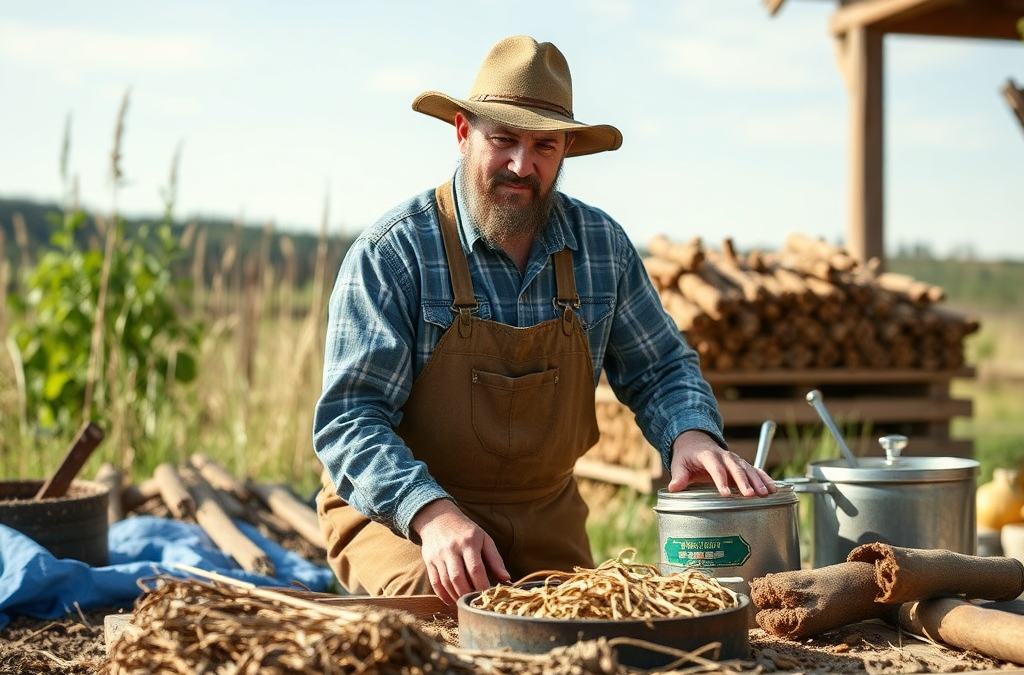
Overcoming the learning curve of homesteading requires a commitment to acquiring essential skills such as gardening, animal husbandry, and food preservation. New homesteaders should begin with manageable projects, like starting a small vegetable garden or raising a few chickens, to build confidence and experience. It’s important to embrace mistakes as learning opportunities, as each setback can provide valuable insights into improving practices. Engaging with local homesteading communities can also offer support and shared knowledge, helping newcomers navigate challenges more effectively. By fostering patience and adaptability, homesteaders can enhance their self-sufficiency and resilience over time.
Understanding the Homesteading Learning Curve
The learning curve of homesteading can be steep, particularly for those new to self-sufficiency. It encompasses a wide array of skills, including gardening, animal care, and food preservation. Understanding that this journey involves trial and error is crucial. Each failure offers valuable lessons that contribute to future success. New homesteaders should approach their learning with patience and a willingness to adapt. Recognizing the importance of local climate, soil types, and seasonal variations can also help in making informed decisions about what to plant and when.
One common misconception is that homesteading is solely about growing food. In reality, it involves a holistic approach that includes managing resources, understanding ecosystems, and developing a sustainable lifestyle. Newcomers often overlook the significance of integrating these elements, which can lead to frustration and setbacks. By embracing the learning curve, homesteaders can cultivate resilience and adaptability, essential traits for long-term success.
Essential Skills for New Homesteaders
Acquiring essential skills is paramount for overcoming the learning curve of homesteading. Key areas include:
- Gardening: Understanding soil health, crop rotation, and pest management is vital. Beginners should start small, focusing on easy-to-grow vegetables such as tomatoes and lettuce.
- Animal Husbandry: Learning how to care for livestock, including feeding, breeding, and health monitoring, is crucial. Chickens are often a great starting point for new homesteaders.
- Food Preservation: Knowing how to can, freeze, or dehydrate food can help manage surplus harvests and reduce waste. Simple techniques like water bath canning can be a great entry point.
Each of these skills requires practice and often involves a learning curve of its own. For example, gardening not only requires knowledge of planting but also an understanding of seasonal cycles and local weather patterns. New homesteaders should seek out workshops, online courses, or local co-ops that can provide hands-on experience and mentorship.
Common Mistakes and How to Avoid Them
New homesteaders frequently make mistakes that can hinder their progress. One common error is attempting to take on too much too soon. Starting with a few crops or a small number of animals allows for manageable learning experiences. Another mistake is neglecting to plan for seasonal changes; understanding the growing season and local climate can prevent crop failures.
Additionally, many beginners underestimate the time commitment involved in homesteading. It’s essential to assess personal schedules and allocate time for daily tasks such as feeding animals, maintaining gardens, and preserving food. Keeping a detailed record of tasks and outcomes can help identify successful strategies and areas needing improvement.
Building a Support Network
A strong support network is invaluable for overcoming the learning curve of homesteading. Engaging with local homesteading groups, online forums, and social media communities can provide encouragement, advice, and shared experiences. Collaborating with neighbors or fellow homesteaders can lead to resource sharing, such as tools and seeds, and can also foster friendships.
Mentorship is another excellent way to navigate the challenges of homesteading. Learning from those with experience can provide insights that books or online resources may not cover. Many local agricultural extensions offer classes or can connect newcomers with seasoned homesteaders willing to share their knowledge.
Frequently Asked Questions
What are the most important skills to learn for homesteading?
Key skills include gardening, animal husbandry, and food preservation. Mastering these areas lays the foundation for successful homesteading.
How can I start homesteading on a budget?
Begin with small-scale gardening and gradually expand. Utilize free resources, such as local libraries and community workshops, to learn essential skills.
What common mistakes should new homesteaders avoid?
Avoid taking on too much too quickly and neglecting to plan for seasonal changes. Start small and gradually increase your commitments.
How important is community support in homesteading?
Community support is crucial for sharing resources, knowledge, and encouragement. Engaging with local groups can enhance your homesteading experience.
What are some effective ways to preserve food?
Effective methods include canning, freezing, and dehydrating. Each technique has its advantages and is suited for different types of produce.
Conclusion
Successfully overcoming the learning curve of homesteading requires patience, essential skill acquisition, and a supportive community. By focusing on key skills such as gardening, animal husbandry, and food preservation, new homesteaders can build a foundation for long-term success. Avoiding common mistakes, such as overcommitting and underestimating time requirements, is vital. Engaging with local networks and seeking mentorship can further enhance the learning experience, making the journey more rewarding and sustainable.