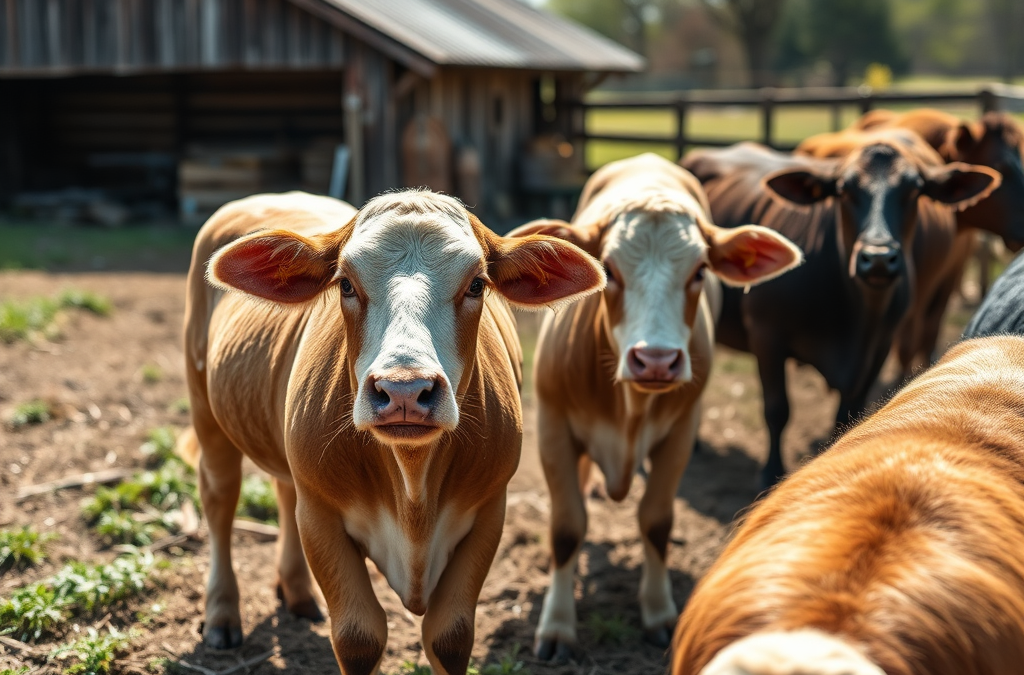
The challenges of raising livestock on a homestead include managing health issues, ensuring adequate space, and coping with changing environmental conditions. Health problems can arise from inadequate nutrition or poor living conditions, while space constraints may limit the types and number of animals you can keep. Additionally, environmental factors such as extreme weather can impact livestock wellbeing, requiring careful planning and resource management to mitigate these risks.
Health Management in Livestock
Maintaining the health of livestock is one of the foremost challenges on a homestead. Livestock can be susceptible to a variety of diseases and health issues, which can stem from poor nutrition, inadequate veterinary care, or unsanitary living conditions. For instance, without proper vaccinations and parasite control, animals like chickens and goats can quickly become ill, leading to poor productivity and even loss of livestock.
To effectively manage health, homesteaders should establish a regular veterinary care routine, including vaccinations and health checks. Additionally, creating a clean living environment is essential. Regularly cleaning pens and providing fresh bedding can significantly reduce the risk of disease. Furthermore, monitoring livestock for signs of illness, such as changes in behavior or appearance, allows for early intervention and treatment.
Common mistakes in health management include neglecting routine veterinary visits and failing to provide adequate nutrition. Homesteaders should prioritize a balanced diet tailored to the specific needs of their livestock, which can prevent many health issues before they arise.
Space and Housing Considerations
Another significant challenge is ensuring that there is enough space and appropriate housing for livestock. Overcrowding can lead to stress, aggression, and the spread of disease among animals. Each type of livestock has specific space requirements; for example, chickens need adequate coop space to avoid pecking and bullying, while larger animals like cows require more pasture for grazing.
When planning housing, it’s crucial to consider not just the number of animals but also their behavior and social needs. Providing adequate shelter from the elements is essential for the wellbeing of your livestock. This can include shaded areas for hot weather and windbreaks for cold conditions.
Homesteaders often underestimate the importance of proper housing. A well-designed barn or coop can enhance productivity by promoting better health and reducing stress among animals. Additionally, rotating grazing areas can prevent overgrazing and soil depletion, ensuring that pasture remains healthy.
Environmental Challenges
Environmental factors present another layer of complexity in raising livestock. Weather extremes, such as heatwaves or severe winters, can pose serious risks to animal health and productivity. For instance, heat stress can affect the growth and milk production of dairy cows, while cold weather can lead to hypothermia in young animals.
To combat these issues, homesteaders should implement strategies for climate management. This might include providing additional shade during hot months, ensuring access to clean water, and utilizing proper bedding to keep animals warm during colder months. Additionally, understanding local climate patterns can help in planning for seasonal challenges.
Common misconceptions include the belief that all livestock can thrive in the same conditions. Different species have unique needs that must be addressed. For example, pigs require mud to regulate their body temperature, whereas sheep need dry conditions to maintain their wool quality.
Feeding and Nutrition Issues
Feeding livestock properly is critical to their health and productivity. Many homesteaders face challenges in sourcing quality feed that meets the nutritional requirements of their animals. Poor nutrition can lead to a host of problems, including reduced growth rates and reproductive issues.
To tackle feeding challenges, it’s important to develop a comprehensive feeding plan. This should take into account the specific dietary needs of each type of animal. For instance, ruminants like cows require a diet high in fiber, while poultry needs a balanced mix of grains and protein.

Common pitfalls in feeding include relying solely on commercial feed without considering the benefits of supplements or forage. Incorporating natural foraging can enhance the diet and reduce feed costs. Homesteaders should also be cautious about overfeeding, which can lead to obesity and related health problems.
Frequently Asked Questions
What are the main health issues faced by livestock on a homestead?
Main health issues include diseases due to poor nutrition, lack of veterinary care, and unsanitary living conditions, which can lead to significant productivity losses.
How much space do I need for my livestock?
Space requirements vary by species; for example, chickens need at least 4 square feet per bird in the coop, while larger animals like cows need several acres for grazing.
How can I protect my livestock from extreme weather?
Provide adequate shelter, shade, and ventilation to protect livestock from heat and cold, along with access to clean water to prevent dehydration.
What should I include in my livestock feeding plan?
A good feeding plan should include high-quality forage, balanced commercial feeds, and any necessary supplements to meet specific nutritional needs.
What are common mistakes in raising livestock?
Common mistakes include neglecting health management, inadequate housing, and poor feeding practices, all of which can severely impact livestock wellbeing.
Conclusion
Raising livestock on a homestead presents several challenges, including health management, space requirements, environmental factors, and nutrition. Addressing these issues requires careful planning and a proactive approach to animal care. Prioritizing veterinary care, providing appropriate housing, and developing a comprehensive feeding plan can significantly improve the wellbeing and productivity of your livestock. By understanding and mitigating these challenges, homesteaders can create a thriving environment for their animals.