
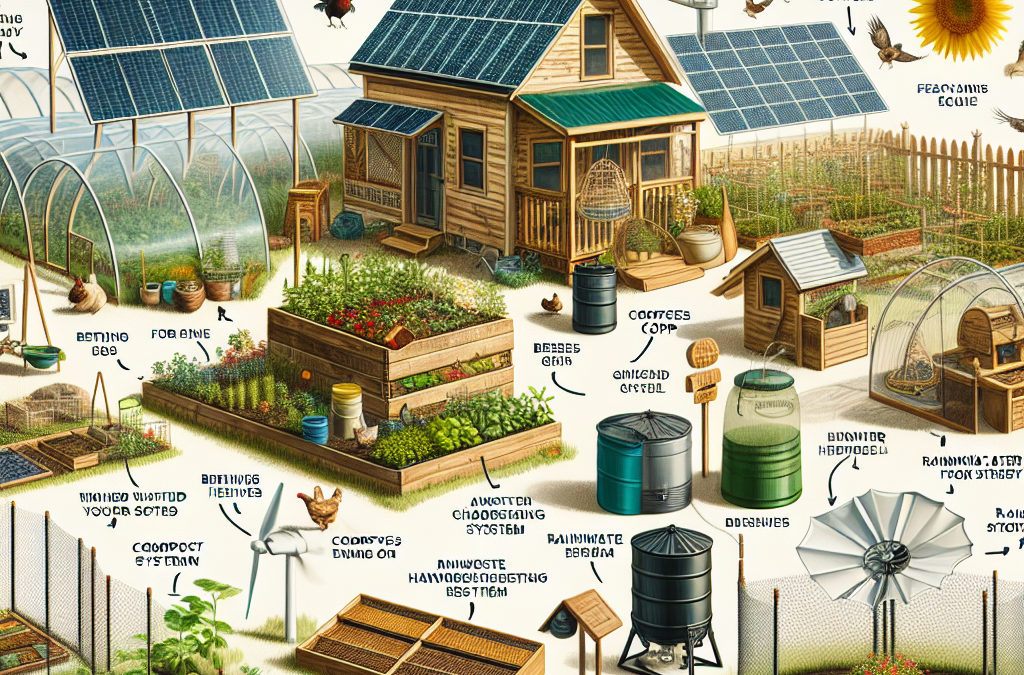
Instant Answer: Choose land with suitable soil quality for farming, adequate water access, and a climate that supports your desired crops and livestock. Ensure the property has legal access and is zoned for residential or agricultural use. Consider proximity to markets, resources, and community services to support your homesteading goals. Conduct thorough inspections and research local regulations before making a decision.

In This Article
- Choosing the Perfect Land for Successful Homesteading
- Assessing Your Homesteading Goals and Needs
- Evaluating Land Quality and Soil Health
- Topography and Land Features
- Water Access and Management
- Legal Considerations and Zoning Regulations
- Accessibility and Infrastructure
- Environmental Impact and Sustainability
- Cost Considerations and Budgeting
- Practical Steps to Secure Your Ideal Homestead Land
- The Importance of Community and Local Resources
- Final Thoughts: Making Your Dream Homestead a Reality
- Questions You Might Have
- What key skills are necessary for achieving success in homesteading?
- How can I start a homestead with limited space?
- What are the best animals for a beginner homestead?
Choosing the Perfect Land for Successful Homesteading
Selecting the right piece of land is the foundation of a thriving homestead, where rich, well-draining soil can nurture your crops and healthy pastures for your livestock. A reliable water source nearby ensures your garden and animals stay hydrated without constant hauling or complex systems. The climate should align with your farming ambitions, offering enough warmth, sunlight, and seasonal variation to support your chosen plants and animals. Equally important is verifying legal access and zoning regulations, which can make or break your plans before they even begin, while proximity to markets and community resources can provide vital support as you establish your homesteading lifestyle. Careful research and inspections are essential steps to ensure the land you select will serve as a sturdy foundation for years of sustainable living.
Assessing Your Homesteading Goals and Needs
Before diving into land acquisition, it’s essential to clearly define your homesteading objectives. Are you aiming for a small-scale vegetable garden and chicken coop, or do you envision raising livestock, growing orchards, and establishing renewable energy systems? Your goals will influence the type of land you need, including its size, topography, and resources.
- Size: Determine how much space is necessary for your planned activities. A beginner might start with 1-5 acres for a manageable homestead, while more ambitious projects could require 10 acres or more.
- Type of Land: Decide whether you prefer flat plains for easy cultivation or hilly terrain for grazing and scenic views.
- Climate and Growing Zones: Research USDA Hardiness Zones to ensure the climate suits your crops and livestock. For example, if you want to grow apples, select a zone that supports apple cultivation.
- Accessibility: Consider proximity to markets, suppliers, healthcare, and community resources. Easy access can save time and transportation costs.
Evaluating Land Quality and Soil Health
The foundation of a successful homestead is healthy, fertile soil. Conducting thorough soil assessments helps determine whether the land can support your intended crops and livestock.
- Soil Testing: Obtain a soil test from a local cooperative extension office or certified lab. Tests reveal pH levels, nutrient content, organic matter, and contamination risks.
- Soil Composition: Loamy soils with good drainage are ideal for most crops. Heavy clay soils may require amendments like compost or sand to improve aeration and drainage.
- Drainage and Water Table: Check for signs of poor drainage or standing water after rain. A high water table can lead to flooding or root rot.
- Existing Vegetation: Observe the native plants; healthy, diverse vegetation indicates good soil health.
Topography and Land Features
The physical features of the land significantly influence its usability and potential challenges.
- Flat vs. Hilly Terrain: Flat land simplifies planting, irrigation, and construction but may be prone to flooding. Hilly areas offer scenic views and grazing opportunities but require terracing or erosion control measures.
- Water Sources: Access to natural water bodies such as streams, ponds, or wells is vital. Ensure water rights are clear if using nearby streams or lakes.
- Sunlight Exposure: South-facing slopes receive more sunlight, ideal for solar panels and sun-loving crops. Shade from trees or hills can limit growing options.
- Wind Patterns: Consider prevailing wind directions for shelterbelts or windbreaks that protect crops and structures from harsh weather.
Water Access and Management
Reliable water sources are fundamental for irrigation, livestock, and household use. Evaluate the availability, quality, and legal aspects of water rights on potential properties.
- Wells: Test well water for contaminants and flow rate. Deep wells often provide more reliable water but can be costly to drill.
- Ponds and Streams: Natural water bodies can supplement water needs but may require permits for use or modification.
- Rainwater Harvesting: Consider installing rain barrels or cisterns to capture runoff, especially in areas with irregular rainfall.
- Water Rights and Regulations: Verify legal rights to access and use water on the property through local regulations or state laws.
Legal Considerations and Zoning Regulations
Understanding local laws ensures your homesteading plans comply with regulations and avoid future disputes.
- Zoning Laws: Check zoning restrictions related to building structures, livestock, commercial activities, and land use. Some areas may prohibit certain types of farming or require special permits.
- Building Codes: Review regulations for constructing homes, barns, greenhouses, and other structures to ensure compliance.
- Environmental Restrictions: Be aware of protected wetlands, endangered species habitats, or conservation easements that could limit development.
- Property Boundaries and Easements: Confirm property lines with surveys to prevent disputes. Check for easements that might restrict land use or access.
Accessibility and Infrastructure
A practical homestead requires reliable access roads, utilities, and communication services.
- Road Access: Ensure the property has maintained roads suitable for your vehicle type year-round. Consider future improvements if necessary.
- Utilities: Evaluate availability of electricity, natural gas, internet, and sewage systems. Off-grid options like solar panels and septic systems may be necessary in remote areas.
- Communication: Reliable internet service is increasingly vital for research, marketing products, and staying connected.
Environmental Impact and Sustainability
Selecting land that aligns with sustainable practices benefits both your homestead’s longevity and the local ecosystem.
- Biodiversity: Land with native plants and wildlife can support pollinators like bees and butterflies essential for crop production.
- Erosion Control: Implementing cover crops or planting trees can prevent soil erosion on sloped land.
- Sustainable Water Use: Employ water-saving techniques such as drip irrigation or permaculture principles to conserve resources.
- Renewable Energy Potential: Assess solar exposure or wind patterns to incorporate renewable energy systems that reduce reliance on external power sources.
Cost Considerations and Budgeting
The financial aspect of land purchase influences your options significantly. Factor in not only the purchase price but also ongoing costs such as taxes, maintenance, improvements, and utilities.
- Land Price: Prices vary widely based on location, size, quality, and accessibility. Rural areas tend to be more affordable but may lack infrastructure.
- Additional Costs: Budget for soil amendments, fencing, water systems, buildings, permits, and legal fees.
- Tax Implications: Research property tax rates and potential incentives for sustainable farming or conservation practices offered by local governments.
Practical Steps to Secure Your Ideal Homestead Land
Once you’ve identified your ideal land characteristics, follow these steps to make an informed purchase:
- Research Local Markets: Use online listings, real estate agents specializing in rural properties, and government land auctions to find suitable options.
- Visit Multiple Properties: Schedule visits at different times of day and seasons to assess sunlight, weather patterns, noise levels, and overall suitability.
- Conduct Due Diligence: Obtain title deeds, survey reports, soil tests, water rights documentation, and zoning compliance certificates before making an offer.
- Consult Professionals: Engage with real estate agents familiar with rural properties, environmental consultants, surveyors, and legal advisors to ensure all aspects are thoroughly evaluated.
- Negoatiate Terms Carefully: Be prepared to negotiate price based on findings from inspections and assessments. Consider contingencies related to financing or permits.
The Importance of Community and Local Resources
A supportive community can enhance your homesteading experience through shared knowledge, resources, and collaboration. Connect with local farmers’ markets, agricultural extension offices, homesteading groups, or online forums focused on sustainable living in your region. These networks can provide valuable insights into local conditions, best practices, and potential challenges specific to your chosen area.
Final Thoughts: Making Your Dream Homestead a Reality
Selecting the right land is a foundational step toward building a successful homestead. It requires careful planning, research, and consideration of numerous factors—from soil quality to legal regulations. By taking the time to evaluate each aspect thoroughly and aligning your choices with your long-term goals, you set yourself up for a sustainable and rewarding homesteading experience. Remember that patience and due diligence are key—your ideal homestead is out there waiting for you to find it!
If you’re ready to start your search or need further guidance tailored to your specific region or goals, consult local experts or visit government websites such as the USDA’s land resources page for additional information on rural property development.
Questions You Might Have
What key skills are necessary for achieving success in homesteading?
Successful homesteading requires a variety of skills including gardening, animal husbandry, basic carpentry, and food preservation. Knowledge of sustainable practices and resource management is also crucial. Being adaptable and willing to learn new skills can greatly enhance your homesteading experience. Additionally, understanding local regulations and environmental considerations is important for long-term success.
How can I start a homestead with limited space?
Starting a homestead in limited space involves focusing on vertical gardening, container planting, and small-scale livestock like chickens or rabbits. Prioritize high-yield crops and efficient use of available land to maximize productivity. Companion planting and permaculture principles can help create a sustainable and productive environment even in small areas. Planning carefully and gradually expanding as you gain experience is key.
What are the best animals for a beginner homestead?
For beginners, chickens are often the best choice due to their ease of care, egg production, and versatility. Ducks and rabbits are also good options because they require minimal space and are relatively low-maintenance. It’s important to research each animal’s needs and local regulations before adding them to your homestead. Starting with hardy breeds can help ensure a smoother experience for new homesteaders.
Frequently Asked Questions
What is the first thing beginners should understand about Do I Choose The Right Land For Homesteading?
Beginners should start by matching the advice to the exact situation instead of copying a broad checklist. With Do I Choose The Right Land For Homesteading, the right first step depends on the goal, the available tools, and the risk of doing too much too soon. Start small, look for one clear win, and use that result before adding more steps.
How do you put Do I Choose The Right Land For Homesteading into practice?
Put Do I Choose The Right Land For Homesteading into practice by choosing one specific action, setting a simple standard, and checking whether it works. For example, if the goal is better planning, write down the task, the supplies needed, and the next visible result. This keeps the process practical instead of turning it into a vague idea.
What common mistake should you avoid with Do I Choose The Right Land For Homesteading?
A common mistake is moving too quickly before the basics are working. With Do I Choose The Right Land For Homesteading, that can mean buying tools, changing routines, or following advice without knowing whether it fits the real need. Check the simplest requirement first, then improve one piece at a time so mistakes are easier to spot.
How long does it take to see results from Do I Choose The Right Land For Homesteading?
Results depend on the starting point and how consistently the steps are applied. Some improvements may show up quickly, such as fewer delays or clearer decisions, while bigger results take repeated practice. For example, tracking one action for two weeks can reveal whether Do I Choose The Right Land For Homesteading is really working or needs careful adjustment.

