Instant Answer: A homestead lifestyle promotes self-sufficiency by allowing individuals to grow their own food, raise animals, and reduce reliance on external systems. It can lead to cost savings, improved health through fresh, organic produce, and a stronger connection to nature. Additionally, it fosters skills like gardening, animal husbandry, and sustainable living, which can increase resilience and environmental awareness. Overall, it offers a more independent, eco-friendly way of living that enhances personal well-being and community sustainability.
Table of Contents
- The Benefits of Embracing a Homestead Lifestyle
- Physical Health Benefits
- Mental and Emotional Well-being
- Financial Advantages
- Environmental Impact and Sustainability
- Building Community and Self-Reliance
- Educational Opportunities for All Ages
- Challenges to Consider
- Getting Started with Your Homestead Journey
- Conclusion
- Other Questions People Ask
- What are the essential skills needed for a successful homestead lifestyle?
- How can I start a homestead with limited space?
- What are the biggest challenges faced by homesteaders?
The Benefits of Embracing a Homestead Lifestyle
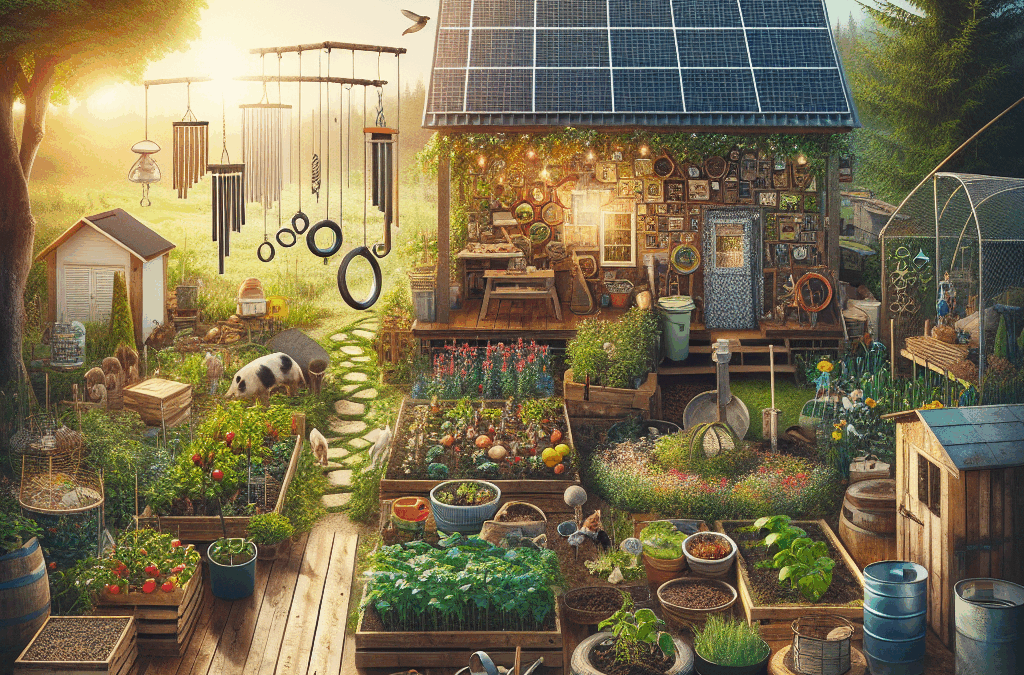
Embracing a homestead lifestyle transforms everyday routines into a harmonious dance with nature, where tending to a vegetable garden or caring for livestock becomes second nature. It’s a deliberate shift toward self-reliance, cultivating a sense of satisfaction that comes from producing your own food and reducing dependence on distant supply chains. This way of living fosters a deeper appreciation for the land and the cycles of growth, encouraging mindfulness and patience. As the seasons change, so does the connection to the earth, creating a resilient, sustainable rhythm that nourishes both body and spirit.
Adopting a homestead lifestyle is more than just a trend; it’s a conscious choice to live sustainably, self-sufficiently, and in harmony with nature. Whether you’re dreaming of growing your own organic vegetables, raising livestock, or simply reducing your carbon footprint, embracing homesteading offers numerous benefits that can transform your life physically, mentally, and financially. In this comprehensive guide, we’ll explore the many advantages of homesteading, backed by real-life examples and practical advice to help you start your journey today.
Physical Health Benefits
One of the most immediate benefits of a homestead lifestyle is improved physical health. Growing your own food means you have access to fresh, organic produce free from pesticides and preservatives. For example, families who cultivate their vegetable gardens report higher intake of nutrient-rich foods like kale, tomatoes, and carrots, which can boost immunity and overall health.
Raising animals such as chickens for eggs or goats for milk not only provides nutritious food sources but also encourages physical activity. Tasks like feeding, cleaning, and caring for livestock keep you active and engaged. Additionally, working outdoors exposes you to sunlight, which helps your body produce vitamin D—a vital nutrient for bone health and immune function.
Many homesteaders find that their overall fitness improves as they engage in daily chores like chopping wood, building fences, or maintaining their gardens. These activities promote strength, endurance, and flexibility, reducing the risk of lifestyle-related health issues such as obesity and cardiovascular disease.
Mental and Emotional Well-being
Living close to nature has profound effects on mental health. The tranquility of a rural homestead provides a peaceful environment away from the hustle and bustle of city life. For instance, many homesteaders report reduced stress levels after spending time tending to their gardens or caring for animals.
Engaging in meaningful work like planting seeds or harvesting crops fosters a sense of accomplishment and purpose. This connection to the land can combat feelings of depression and anxiety, often associated with urban living. The rhythmic routines of homesteading—watering plants, milking goats, or collecting eggs—can serve as meditative practices that promote mindfulness and emotional resilience.
Furthermore, the community aspect of homesteading—sharing surplus produce or livestock with neighbors—builds social bonds that enhance emotional support networks. These interactions foster a sense of belonging and mutual reliance that is often missing in modern society.
Financial Advantages
Although starting a homestead requires an initial investment of time and resources, it can lead to significant long-term savings. Growing your own vegetables and fruits reduces grocery bills substantially. For example, a family with a well-maintained vegetable garden can save hundreds of dollars annually on produce.
Raising animals for eggs, milk, or meat can also cut down on expensive store-bought products. A flock of hens can provide a steady supply of eggs, while a small herd of goats can supply milk for homemade cheese and yogurt. Over time, these savings can offset the costs of feed, supplies, and maintenance.
Homesteading also encourages resourcefulness—reusing compost for fertilizing plants or collecting rainwater for irrigation reduces utility costs. Additionally, producing your own preserves, jams, and fermented foods extends the shelf life of seasonal harvests and minimizes reliance on commercial products.
Some homesteaders even generate income by selling surplus produce at local farmers’ markets or through community-supported agriculture (CSA) programs. This supplemental income can help offset expenses or fund future projects on the property.
Environmental Impact and Sustainability
One of the core principles of homesteading is living sustainably. By growing your own food organically, you avoid harmful chemicals that pollute waterways and degrade soil health. Composting kitchen scraps and yard waste returns nutrients to the earth, enriching the soil naturally.
Rainwater harvesting systems reduce dependence on municipal water supplies and lower water bills. For example, installing rain barrels beneath downspouts can collect enough water to irrigate gardens during dry months.
Raising animals responsibly—such as rotational grazing for livestock—helps maintain healthy ecosystems and prevents overgrazing. Many homesteaders also adopt renewable energy sources like solar panels or wind turbines to power their homes, further reducing their carbon footprint.
This eco-conscious approach not only benefits the planet but also creates a resilient lifestyle that can withstand economic fluctuations or supply chain disruptions. Homesteaders often find satisfaction in producing their own energy and food, fostering independence from external systems.
Building Community and Self-Reliance
Homesteading fosters a strong sense of community through shared knowledge, resources, and labor. Many homesteaders participate in local cooperatives or online forums where they exchange tips on organic gardening techniques or livestock care.
For example, a group of neighbors might organize a seed exchange event each spring or collaborate on building a community root cellar for storing vegetables during winter. These activities strengthen social bonds and create a support network that can be invaluable during challenging times.
Self-reliance is another key benefit. Learning skills such as carpentry, food preservation, or herbal medicine empowers individuals to handle emergencies or economic downturns independently. For instance, making your own herbal remedies from plants grown on your property can reduce dependence on commercial pharmaceuticals.
This mindset encourages resilience—both personal and community-wide—by reducing reliance on external systems that may fail or become inaccessible.
Educational Opportunities for All Ages
Homesteading offers rich educational experiences for children and adults alike. Kids learn about biology by observing plant growth cycles or caring for animals. They develop responsibility through daily chores like feeding chickens or watering plants.
Adults gain practical skills such as food preservation techniques—canning tomatoes or fermenting sauerkraut—or construction skills like building chicken coops or installing solar panels. Many communities offer workshops or classes that teach these skills, fostering lifelong learning.
This hands-on education promotes environmental stewardship and self-sufficiency from an early age, preparing future generations to live sustainably and responsibly.
Challenges to Consider
- Initial Investment: Setting up a homestead requires purchasing land, tools, seeds, livestock, and infrastructure—costs that can be substantial upfront.
- Time Commitment: Maintaining a productive homestead demands daily attention and physical labor. It’s essential to plan accordingly to avoid burnout.
- Knowledge Gaps: Successful homesteading involves learning diverse skills—from gardening to animal husbandry—which may require research or mentorship.
- Legal Regulations: Zoning laws and local ordinances may restrict certain activities like raising livestock or building structures. Always check with local authorities before starting projects.
Getting Started with Your Homestead Journey
If you’re inspired to embrace a homestead lifestyle, start small by dedicating a corner of your yard to vegetable gardening or keeping a few chickens in a coop. Research local resources such as agricultural extension offices or homesteading groups for guidance and support.
Consider attending workshops on composting, seed saving, or animal care to build your knowledge base. Gradually expand your efforts as you gain confidence and experience.
Remember that homesteading is a journey—not a destination—and every step toward self-sufficiency enriches your life in countless ways. With patience, dedication, and a love for the land, you can create a sustainable lifestyle that benefits your health, finances, environment, and community.
Other Questions People Ask
How can embracing a homestead lifestyle improve my overall health and well-being?
Adopting a homestead lifestyle provides access to fresh, organic produce and encourages physical activity through daily chores like gardening and caring for animals. Spending time outdoors and working with nature boosts vitamin D levels and enhances fitness, reducing health risks such as obesity and cardiovascular issues. The mental benefits include reduced stress and increased mindfulness from engaging in meaningful, routine tasks. Overall, it promotes a healthier, more active lifestyle that benefits both body and mind.
What are some practical ways to start living a homestead lifestyle with limited space?
Begin by maximizing small areas with container gardening or vertical planting to grow vegetables and herbs. Raise small animals like chickens or rabbits if space permits, which can provide eggs or meat without requiring large land. Focus on resourcefulness by composting organic waste and collecting rainwater for irrigation. These steps allow you to embrace homesteading principles even in limited environments.
Why is a homestead lifestyle considered more sustainable and eco-friendly?
A homestead lifestyle emphasizes organic gardening, composting, and rainwater harvesting, which reduce reliance on chemical inputs and utility resources. Growing your own food minimizes transportation emissions and packaging waste, lowering your carbon footprint. Sustainable practices like reusing materials and maintaining biodiversity help preserve soil health and the environment. This approach fosters a resilient, eco-conscious way of living that benefits the planet.
Conclusion
Embracing a homestead lifestyle offers tangible benefits—from improved health and mental well-being to environmental sustainability and financial savings. It fosters resilience through self-reliance and builds strong community bonds. While it requires effort and commitment initially, the rewards are profound: a deeper connection to nature, greater independence, and a more fulfilling way of living. Whether you have acres of land or just a small backyard, starting with simple steps today can set you on the path toward a more sustainable and satisfying life.