

Instant Answer: Common mistakes new homesteaders make include underestimating the time and effort required to maintain their property, leading to burnout. They often overlook proper planning for water, soil health, and pest management, which can cause long-term issues. Additionally, many fail to research local regulations and zoning laws, risking legal problems. Starting without a clear plan or realistic expectations can hinder success and sustainability.
Common Mistakes to Avoid When Starting Homesteading
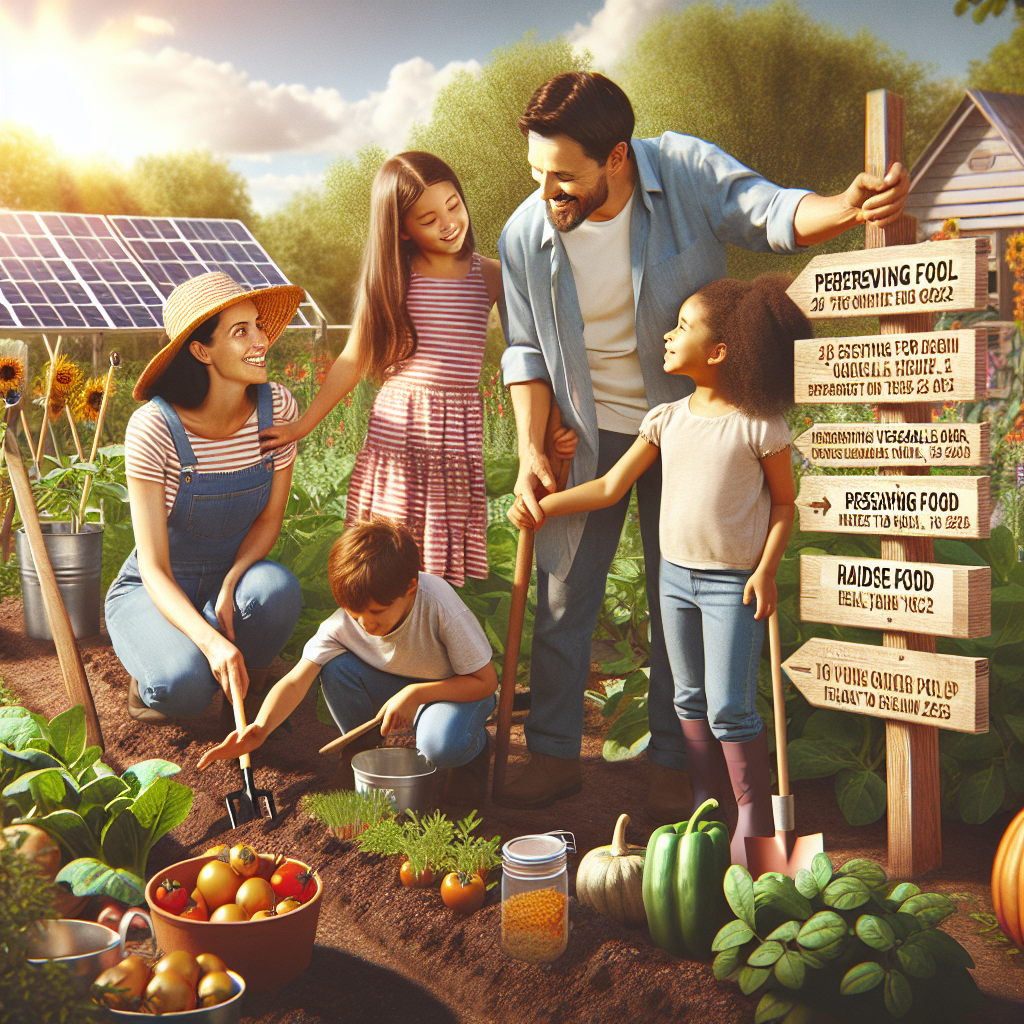
Starting a homestead can feel like stepping into a dream of self-sufficiency, but without careful preparation, it’s easy to stumble over overlooked details that can derail progress. Many newcomers underestimate just how much daily effort is needed to keep everything running smoothly, from tending animals to managing crops, which can lead to burnout before real results are seen. Overlooking critical aspects like water sourcing, soil health, and pest control often results in long-term setbacks that are harder to fix later. Failing to research local regulations and zoning laws can also turn a promising start into a legal headache, making it essential to approach homesteading with a well-thought-out plan and realistic expectations.
1. Underestimating the Importance of Planning
One of the most frequent errors new homesteaders make is diving in without a comprehensive plan. Without clear goals, a detailed layout, and a realistic timeline, projects can become overwhelming or inefficient. For example, attempting to establish a large vegetable garden without considering soil quality, sunlight exposure, or water access can lead to poor yields and frustration.
Effective planning involves assessing your land’s topography, climate, and resources. Create detailed maps of your property, marking areas for gardens, livestock pens, composting sites, and renewable energy setups. Set specific, measurable goals such as producing a certain amount of vegetables or raising a particular number of chickens within a year. This foresight helps prioritize tasks and allocate resources wisely.
Additionally, consider seasonal factors—knowing when to plant, harvest, or perform maintenance tasks ensures your efforts align with natural cycles. Use resources like local extension offices or online homesteading forums to gather insights tailored to your region.
2. Overlooking Soil Health and Preparation
Healthy soil is the foundation of a productive homestead garden. Many beginners neglect soil testing or assume their land is suitable for planting without amendments. This oversight can result in poor plant growth, increased pest problems, and the need for costly fertilizers later on.
Start by conducting a soil test through your local cooperative extension service or using DIY kits available at garden centers. The results will reveal pH levels and nutrient deficiencies. Based on this data, you can amend your soil with organic matter such as compost, aged manure, or biochar to improve fertility and structure.
For example, if your soil is too acidic, adding lime can balance pH levels. If it’s lacking nitrogen, incorporating composted manure can boost growth. Building healthy soil is an ongoing process that pays dividends in crop yields and plant resilience.
3. Overextending Resources and Budget
Homesteading often involves multiple projects—gardening, raising animals, installing renewable energy systems—that can quickly drain finances and time if not managed carefully. New homesteaders sometimes attempt to do everything at once without assessing their capacity or budget.
To avoid this mistake, prioritize projects based on immediate needs and available resources. For instance, start with a small vegetable garden and a few chickens before expanding into larger livestock or solar power systems. Create a detailed budget that includes costs for seeds, feed, tools, fencing, and unexpected expenses.
Consider phased approaches—completing one project before moving on to the next ensures steady progress without overwhelming yourself financially or physically. Additionally, look for cost-saving options such as seed swaps, DIY fencing solutions, or community tool-sharing programs.
4. Ignoring Local Regulations and Zoning Laws
Many new homesteaders overlook the importance of understanding local laws governing land use, animal husbandry, and water rights. Violating zoning regulations can lead to fines or forced removal of animals or structures.
Before starting any project involving animals or permanent structures, consult your county or city zoning office. For example, some areas have restrictions on the number of chickens you can keep or require permits for building a barn or greenhouse. Familiarize yourself with setback requirements and noise ordinances to prevent conflicts with neighbors.
Researching these regulations early saves time and money and helps ensure your homestead remains compliant with local laws.
5. Neglecting Water Management
Water is vital for all aspects of homesteading—from irrigating crops to providing for livestock. Many beginners underestimate the importance of efficient water management systems.
Implement rainwater harvesting systems using barrels or larger storage tanks to reduce reliance on municipal water sources. For example, installing gutters and downspouts that direct rainwater into storage containers can provide a sustainable water supply during dry months.
Additionally, consider drip irrigation or soaker hoses to minimize water waste and ensure even watering of plants. Proper drainage around structures prevents erosion and waterlogging, protecting your land’s health over time.
Planning for drought conditions by selecting drought-tolerant crops and mulching garden beds conserves moisture and reduces water bills.
6. Failing to Diversify Crops and Livestock
Relying solely on one type of crop or animal increases vulnerability to pests, diseases, and market fluctuations. For example, planting only tomatoes makes your garden susceptible to blight, while raising only chickens leaves you unprotected if avian flu strikes.
Diversification enhances resilience by spreading risk across different species and crops. Incorporate a variety of vegetables such as carrots, beans, and leafy greens alongside tomatoes. Raise different animals like rabbits or ducks in addition to chickens to provide varied sources of meat and eggs.
This approach also allows you to utilize different parts of your land efficiently—some crops may thrive in shaded areas while others prefer full sun—maximizing productivity.
7. Not Investing in Education and Community Connections
Homesteading is a continuous learning process. Many beginners underestimate the value of education—whether through books, online courses, workshops, or local farming groups—and miss out on valuable tips and support.
Attend local workshops on permaculture design, organic gardening, or animal care offered by agricultural extension offices or community colleges. Join online forums like Homesteading Today or Reddit’s r/homestead to exchange experiences with seasoned homesteaders.
Building relationships within your community can lead to resource sharing—such as tool exchanges—and moral support during challenging times. Learning from others’ successes and failures accelerates your progress and helps you avoid common pitfalls.
8. Overlooking Sustainability and Environmental Impact
Sustainable practices are central to long-term homesteading success. Beginners sometimes focus solely on immediate productivity without considering environmental impacts.
Incorporate composting toilets, renewable energy sources like solar panels, and organic pest control methods to reduce your carbon footprint. Practice crop rotation and cover cropping to maintain soil health naturally.
For example, planting nitrogen-fixing legumes such as clover or peas enriches the soil without synthetic fertilizers. Using natural predators like ladybugs instead of chemical pesticides preserves beneficial insect populations.
Sustainable homesteading not only benefits the environment but also creates a healthier living space for you and your family.
9. Ignoring Pest Management Strategies
Pests are an inevitable part of homesteading; however, many beginners react reactively rather than proactively. This can lead to significant crop losses or health issues for livestock.
Implement integrated pest management (IPM) techniques such as encouraging beneficial insects (e.g., ladybugs for aphids), using physical barriers like row covers, and planting pest-resistant crop varieties.
For example, companion planting—growing basil near tomatoes—can deter pests naturally. Regularly inspecting plants for early signs of infestation allows for prompt action before problems escalate.
A proactive approach minimizes chemical use and promotes a healthier ecosystem on your homestead.
10. Not Documenting Progress and Lessons Learned
Keeping detailed records of planting dates, weather patterns, livestock health, expenses, and successes helps identify what works best over time. Many new homesteaders neglect this vital step.
Create a journal or digital log to track seasonal planting schedules, crop yields, animal growth rates, and maintenance routines. Reviewing these records guides future decisions—such as adjusting planting times based on past weather patterns or recognizing which crops perform best in your soil.
This habit fosters continuous improvement and ensures that lessons learned are preserved for future generations or new family members involved in the homestead.
Conclusion
Avoiding these common mistakes sets the foundation for a thriving homestead that is productive, sustainable, and enjoyable. With careful planning, ongoing education, and a proactive mindset, you can turn your homesteading dreams into a resilient reality that provides for your family’s needs while respecting the environment. Remember that patience and adaptability are key—every challenge offers an opportunity to learn and grow as a steward of your land.
Other Questions People Ask
How can I start homesteading with limited space?
Starting homesteading in limited space involves focusing on container gardening, vertical planting, and small-scale livestock like chickens or rabbits. You can also utilize community resources such as shared gardens or urban farms. Prioritizing high-yield crops and efficient use of space helps maximize productivity. Learning about permaculture principles can also help create a sustainable and productive small homestead.
How do you choose the right homesteading?
Selecting the right homesteading depends on your specific goals and circumstances. Consider factors such as quality, applicability, and how well it aligns with your needs. Researching options and comparing features will help you make an informed choice. Taking the time to evaluate these aspects ensures a better fit and greater success.
What common mistakes should you avoid with homesteading?
When using homesteading, people often overlook fundamental principles or skip important steps. Rushing through the process or failing to plan can lead to poor outcomes. Being aware of these common pitfalls allows you to avoid them from the start. Careful preparation and attention to detail will help you achieve the desired results.

