Quick Summary: A homestead lifestyle involves living self-sufficiently on a piece of land, often growing food, raising animals, and using sustainable practices. It emphasizes independence from commercial systems and a close connection to nature. Homesteaders typically prioritize renewable resources, conservation, and simple living. This lifestyle aims to create a resilient, eco-friendly way of life centered around self-reliance.
Article Guide
- Embracing the Benefits of a Homestead Lifestyle
- Understanding the Core Principles of Homesteading
- Assessing Your Land and Resources
- Planning Your Homestead Layout
- Starting with Small-Scale Projects
- Implementing Sustainable Practices
- Raising Animals Responsibly
- Building Community Connections
- Overcoming Challenges and Staying Motivated
- Long-Term Benefits of Homesteading
- Taking Your First Steps Today
- Conclusion
- Related Questions
- What key skills are necessary to thrive in a homestead lifestyle?
- How can I start a homestead with limited space?
- What are the main benefits of adopting a homestead lifestyle?
Embracing the Benefits of a Homestead Lifestyle
Choosing a homestead lifestyle means immersing yourself in a way of living that reconnects you with the land and the rhythms of nature. It’s about waking up to the sunrise, tending to your vegetable garden, and caring for animals that become part of your daily routine. This approach fosters a deep sense of independence, where self-sufficiency replaces reliance on store-bought goods, and sustainable practices become second nature. Living this way transforms everyday chores into meaningful acts of stewardship, creating a resilient and harmonious relationship with the environment.
Understanding the Core Principles of Homesteading
Homesteading is rooted in the principles of self-reliance, sustainability, and community. It involves cultivating your own food, raising animals, and creating a living environment that minimizes dependence on external systems. This lifestyle encourages resourcefulness, resilience, and a deep appreciation for the natural cycles of the land.
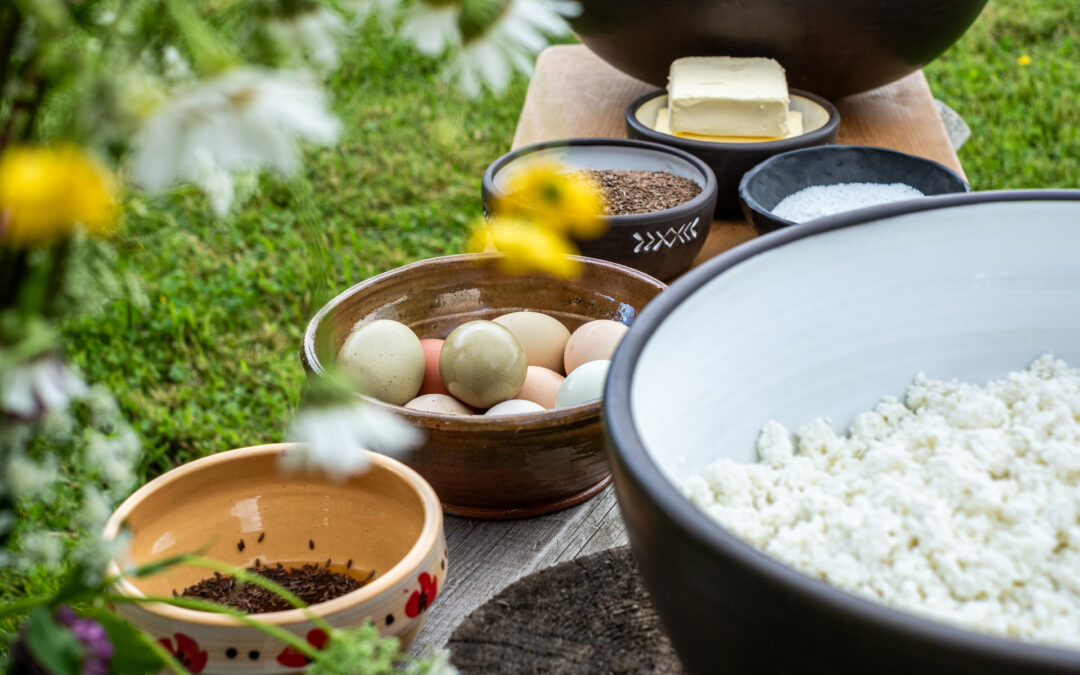
For example, many homesteaders grow organic vegetables such as heirloom tomatoes, kale, and carrots in their gardens, ensuring fresh produce for their families while reducing reliance on grocery stores. Raising chickens for eggs or goats for milk further exemplifies self-sufficiency in daily life.
Assessing Your Land and Resources
The first step toward homesteading is evaluating your land’s potential. Consider factors such as soil quality, sunlight exposure, water availability, and climate conditions. Conduct soil tests to determine nutrient levels and pH balance, which will guide your planting choices.
If your land has rocky terrain or poor soil, you might focus on raised beds or container gardening initially. Conversely, if you have access to a pond or stream, aquaculture or irrigation systems could be incorporated into your homestead plan.
Resource assessment also includes identifying existing structures like barns, sheds, or fencing that can be repurposed or improved to support your homestead goals.
Planning Your Homestead Layout
A well-thought-out layout maximizes efficiency and productivity. Designate specific zones for vegetable gardens, orchards, animal enclosures, composting areas, and living spaces. For example, situate your vegetable beds near water sources for easy irrigation and close to your kitchen for convenience.
Implementing permaculture principles—such as companion planting and crop rotation—can enhance soil health and pest control naturally. For instance, planting marigolds alongside tomatoes deters pests, while rotating crops prevents soil depletion.
Starting with Small-Scale Projects
If you’re new to homesteading, begin with manageable projects that build confidence and skills. For example:
- Plant a small vegetable garden with easy-to-grow crops like lettuce, radishes, and herbs.
- Set up a chicken coop to raise laying hens for fresh eggs.
- Start composting kitchen scraps to create nutrient-rich soil for your garden.
These small successes lay the foundation for expanding your homestead over time. As you gain experience, you can introduce more complex projects such as beekeeping or raising larger livestock like pigs or cattle.
Implementing Sustainable Practices
Sustainability is at the heart of homesteading. Incorporate practices that conserve resources and reduce waste:
- Rainwater harvesting: Install rain barrels to collect water for irrigation, reducing dependence on municipal water supplies.
- Solar power: Use solar panels to generate electricity, lowering energy costs and carbon footprint.
- Organic gardening: Avoid synthetic chemicals by using compost, natural pest control methods, and organic fertilizers.
- Preserving food: Practice canning, drying, and fermenting to store excess produce for winter months.
For example, many homesteaders ferment vegetables into sauerkraut or kimchi, which not only preserves nutrients but also enhances gut health.
Raising Animals Responsibly
Animal husbandry is a significant aspect of homesteading. Raising animals provides food, fertilizer, and companionship. Key considerations include humane treatment, proper shelter, and health management.
Common animals include:
- Chickens: Provide fresh eggs daily; require a secure coop with nesting boxes and predator-proof fencing.
- Goats: Offer milk and help clear brush; need shelter from harsh weather and regular health checks.
- Bees: Produce honey and pollinate crops; require hive management skills and protection from pests.
For instance, maintaining a small herd of dairy goats can supply your family with fresh milk and cheese while supporting sustainable land management through grazing.
Building Community Connections
Homesteading doesn’t mean going it alone. Connecting with local farmers markets, agricultural extension services, and online homesteading groups can provide valuable support and knowledge sharing. Attending workshops on topics like organic gardening or animal care can accelerate your learning curve.
Joining community-supported agriculture (CSA) programs allows you to exchange surplus produce or eggs with neighbors, fostering a sense of community and mutual support.
Overcoming Challenges and Staying Motivated
Homesteading involves hard work and patience. Challenges such as pests, unpredictable weather, or equipment failures are common. Developing problem-solving skills and maintaining a positive outlook are essential.
For example, if a drought affects your garden, you might implement drip irrigation systems or drought-tolerant crops like sorghum or millet. Keeping a journal of successes and setbacks helps track progress and refine your methods over time.
Long-Term Benefits of Homesteading
The rewards of embracing a homestead lifestyle extend beyond immediate self-sufficiency. They include:
- Healthier living: Access to organic produce and fresh eggs improves diet quality.
- Financial savings: Growing your own food reduces grocery bills; producing surplus can generate income through farmers markets or local sales.
- Environmental impact: Reduced reliance on fossil fuels and synthetic chemicals benefits the planet.
- Mental well-being: Connection to nature and meaningful work contribute to reduced stress and increased happiness.
Taking Your First Steps Today
If you’re ready to embrace the homestead lifestyle, start by setting achievable goals. For instance:
- Create a small vegetable garden on a sunny patch of your property.
- Research local regulations regarding livestock or water use.
- Join online forums or local groups dedicated to homesteading for advice and encouragement.
- Invest in basic tools such as shovels, compost bins, and watering cans to get started.
Remember that every small step brings you closer to a more sustainable and fulfilling way of life. With patience, dedication, and a willingness to learn, you can transform your property into a thriving homestead that provides for your family’s needs while nurturing the land for future generations.
Conclusion
Embracing a homestead lifestyle is more than just growing food or raising animals; it’s about cultivating resilience, sustainability, and a profound connection to the land. By starting small, planning thoughtfully, and continuously learning, you can enjoy the many benefits this lifestyle offers—from healthier living and financial savings to environmental stewardship and personal fulfillment. Take the first step today toward creating a self-sufficient homestead that supports your values and enriches your life for years to come.
Popular Questions
What key skills are necessary to thrive in a homestead lifestyle?
Key skills for a successful homestead include gardening, animal husbandry, basic carpentry, and food preservation. Learning how to grow your own vegetables and raise livestock helps ensure self-sufficiency. Additionally, skills like water management and renewable energy use can greatly enhance homestead resilience.
How can I start a homestead with limited space?
Starting a homestead in limited space involves maximizing vertical gardening, container planting, and small-scale livestock like chickens or rabbits. Focus on permaculture principles to create a sustainable and productive environment. Planning carefully and choosing versatile plants can help you make the most of your available land.
What are the main benefits of adopting a homestead lifestyle?
The main benefits include greater independence, access to fresh and organic food, and a closer connection to nature. Homesteading can also reduce living costs over time and promote a healthier, more sustainable way of life. Many find it fulfilling to produce their own resources and live more self-sufficiently.
What is the first thing beginners should understand about Is A Homestead Lifestyle?
Beginners should start by matching the advice to the exact situation instead of copying a broad checklist. With Is A Homestead Lifestyle, the right first step depends on the goal, the available tools, and the risk of doing too much too soon. Start small, look for one clear win, and use that result before adding more steps.
Popular Questions
How long does it take to see results from Is A Homestead Lifestyle?
Results depend on the starting point and how consistently the steps are applied. Some improvements may show up quickly, such as fewer delays or clearer decisions, while bigger results take repeated practice. For example, tracking one action for two weeks can reveal whether Is A Homestead Lifestyle is really working or needs careful adjustment.